 Metric
Equine-Assisted Activities
Evidence the difference horses make to wellbeing, confidence and physical function
From first grooming session to lasting change
The Equine-Assisted Activities Impact Toolkit provides a complete measurement framework for organisations delivering therapeutic, educational and rehabilitative programmes through interaction with horses, ponies and donkeys. It covers therapeutic riding and horsemanship, equine-assisted therapy, equine-assisted learning and physical rehabilitation, for children, young people and adults including veterans, care-experienced people, people with mental health challenges and people with physical or learning disabilities. It tracks the horse-human relationship alongside emotional wellbeing, confidence, social and life skills, physical function and lasting change in people's lives.
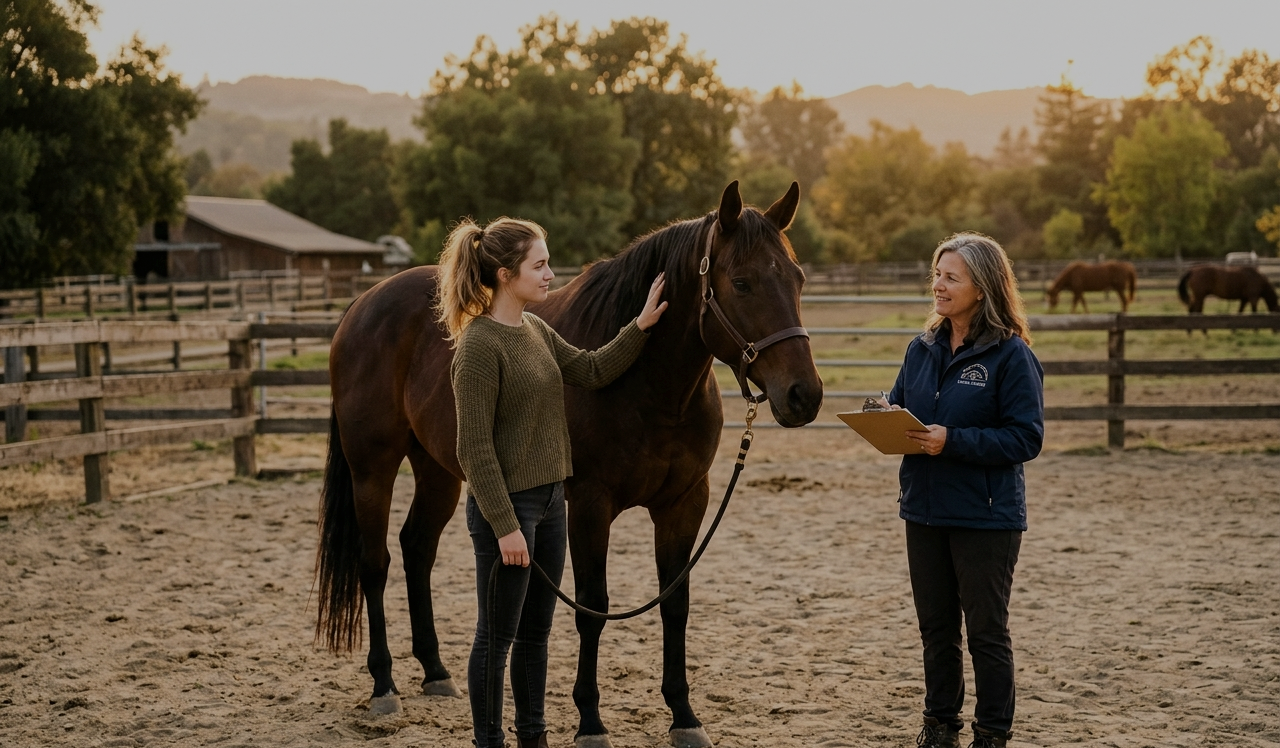
Connect the actions you take to the difference they make
Sessions delivered
See the riding, ground-based, therapy and learning sessions you run and the volunteer time behind them
Equine-Assisted Therapy Sessions DeliveredParticipation
Understand how consistently each participant attends
Session AttendancesEarly outcomes
Track the relationship with horses, emotional wellbeing, confidence and physical skills
Trust in the HorseSkills and regulation
Evidence improved emotional regulation, social and life skills and physical function
Emotional RegulationLasting change
Show wellbeing, confidence and connection to horses and nature are sustained, and life circumstances improve
Still Using Coping StrategiesQuantify every aspect of your impact
Equine-Assisted Activities Impact Framework: + Use this impact framework

Activities
Activity outputs
8
Group Sessions Delivered
6
Ground-Based Sessions Delivered
79
Equine-Assisted Therapy Sessions Delivered
33
Equine-Assisted Learning Sessions Delivered

Engagement
Participation outputs
25
Volunteer Hours Contributed
93
Session Attendances

Ability (short-term outcomes)
Short-term outcomes
Participants develop a positive relationship with horses (Equine-Assisted Activities)
18
Comfort Around Horses
17
Trust in the Horse
2
Confidence Handling Horses
10
Enjoys Time with Horses
2
Engaged in Sessions
Participants experience improved emotional wellbeing (Equine-Assisted Activities)
8
Patient Health Questionnaire - 2 (PHQ-2)
87
Mental Wellbeing
6
Mood
11
Anxiety Levels
4
Stress Levels
6
Feels Calm After Sessions
4
SWEMWBS Total Score
Participants develop confidence and self-efficacy (Equine-Assisted Activities)
35
General Confidence (1–10)
14
Belief in Own Abilities
6
Willingness to Try New Things
2
Sense of Achievement
19
Resilience
Participants improve physical skills and function (Equine-Assisted Activities)
14
Balance
11
Core Strength
5
Physical Coordination
6
Flexibility and Range of Motion
25
Riding Skill Level
17
Mobility Confidence

Behaviour (mid-term outcomes)
Medium-term outcomes
Emotional regulation and coping skills improve (Equine-Assisted Activities)
25
Emotional Regulation
66
Uses Calming Strategies
37
Emotional Awareness
18
Reduced Anger or Aggression
4
SWEMWBS Total Score
Social skills and relationships improve (Equine-Assisted Activities)
3
Communication Skills (1–10)
5
Working with Others
19
Trust in Others
4
Has Supportive Relationships
6
Feels Connected to Others
3
Made Friends Through Programme
Life skills and independence develop (Equine-Assisted Activities)
7
Responsibility and Commitment
6
Problem-Solving (1–10)
15
Focus and Concentration
25
Following Instructions
35
Time Management and Routine
13
Practical Skills Developed
Physical function improves (physical rehab and therapeutic riding) (Equine-Assisted Activities)
14
Balance
11
Core Strength
5
Physical Coordination
25
Riding Skill Level
17
Mobility Confidence
18
Functional Independence
9
Pain or Discomfort
Effect (long-term outcomes)
Long-term outcomes
Wellbeing and mental health improvements are sustained (Equine-Assisted Activities)
87
Mental Wellbeing
11
Anxiety Levels
4
Stress Levels
25
Emotional Regulation
12
Still Using Coping Strategies
4
SWEMWBS Total Score
Confidence and life skills are maintained (Equine-Assisted Activities)
35
General Confidence (1–10)
19
Resilience
20
Applying Skills in Daily Life
Participants remain connected to horses and nature (Equine-Assisted Activities)
8
Still Involved with Horses
5
Spending Time Outdoors
2
Connection to Nature
65
Values Connection with Animals
Life circumstances improve (context-dependent) (Equine-Assisted Activities)
1
School attendance
79
Behaviour at school or home
8
Engagement in other activities
34
Reduced mental health service use
27
In education, training or employment
10
Improved family or social relationships
2
Managing PTSD symptoms better
1
Connected to peer support networks
5
Improved sleep quality
40
Placement stability
22
Trusted adult relationships
14
Plans for future
Activities
Activity outputs
8
/25
Group Sessions Delivered
6
/25
Ground-Based Sessions Delivered
79
/100
Equine-Assisted Therapy Sessions Delivered
33
/80
Equine-Assisted Learning Sessions Delivered
No results in this timeframe
Engagement
Participation outputs
25
/25
Volunteer Hours Contributed
93
/100
Session Attendances
No results in this timeframe
Ability (short-term outcomes)
Short-term outcomes
18
Participants develop a positive relationship with horses (Equine-Assisted Activities)
/50
Comfort Around Horses
17
Participants develop a positive relationship with horses (Equine-Assisted Activities)
/25
Trust in the Horse
2
Participants develop a positive relationship with horses (Equine-Assisted Activities)
/50
Confidence Handling Horses
10
Participants develop a positive relationship with horses (Equine-Assisted Activities)
/25
Enjoys Time with Horses
2
Participants develop a positive relationship with horses (Equine-Assisted Activities)
/20
Engaged in Sessions
8
Participants experience improved emotional wellbeing (Equine-Assisted Activities)
/20
Patient Health Questionnaire - 2 (PHQ-2)
87
Participants experience improved emotional wellbeing (Equine-Assisted Activities)
/100
Mental Wellbeing
6
Participants experience improved emotional wellbeing (Equine-Assisted Activities)
/40
Mood
11
Participants experience improved emotional wellbeing (Equine-Assisted Activities)
/20
Anxiety Levels
4
Participants experience improved emotional wellbeing (Equine-Assisted Activities)
/10
Stress Levels
6
Participants experience improved emotional wellbeing (Equine-Assisted Activities)
/10
Feels Calm After Sessions
4
Participants experience improved emotional wellbeing (Equine-Assisted Activities)
/25
SWEMWBS Total Score
35
Participants develop confidence and self-efficacy (Equine-Assisted Activities)
/80
General Confidence (1–10)
14
Participants develop confidence and self-efficacy (Equine-Assisted Activities)
/20
Belief in Own Abilities
6
Participants develop confidence and self-efficacy (Equine-Assisted Activities)
/20
Willingness to Try New Things
2
Participants develop confidence and self-efficacy (Equine-Assisted Activities)
/10
Sense of Achievement
19
Participants develop confidence and self-efficacy (Equine-Assisted Activities)
/20
Resilience
14
Participants improve physical skills and function (Equine-Assisted Activities)
/80
Balance
11
Participants improve physical skills and function (Equine-Assisted Activities)
/50
Core Strength
5
Participants improve physical skills and function (Equine-Assisted Activities)
/10
Physical Coordination
6
Participants improve physical skills and function (Equine-Assisted Activities)
/10
Flexibility and Range of Motion
25
Participants improve physical skills and function (Equine-Assisted Activities)
/25
Riding Skill Level
17
Participants improve physical skills and function (Equine-Assisted Activities)
/40
Mobility Confidence
No results in this timeframe
Behaviour (mid-term outcomes)
Medium-term outcomes
25
Emotional regulation and coping skills improve (Equine-Assisted Activities)
/25
Emotional Regulation
66
Emotional regulation and coping skills improve (Equine-Assisted Activities)
/100
Uses Calming Strategies
37
Emotional regulation and coping skills improve (Equine-Assisted Activities)
/50
Emotional Awareness
18
Emotional regulation and coping skills improve (Equine-Assisted Activities)
/20
Reduced Anger or Aggression
4
Emotional regulation and coping skills improve (Equine-Assisted Activities)
/25
SWEMWBS Total Score
3
Social skills and relationships improve (Equine-Assisted Activities)
/10
Communication Skills (1–10)
5
Social skills and relationships improve (Equine-Assisted Activities)
/10
Working with Others
19
Social skills and relationships improve (Equine-Assisted Activities)
/25
Trust in Others
4
Social skills and relationships improve (Equine-Assisted Activities)
/10
Has Supportive Relationships
6
Social skills and relationships improve (Equine-Assisted Activities)
/20
Feels Connected to Others
3
Social skills and relationships improve (Equine-Assisted Activities)
/25
Made Friends Through Programme
7
Life skills and independence develop (Equine-Assisted Activities)
/25
Responsibility and Commitment
6
Life skills and independence develop (Equine-Assisted Activities)
/20
Problem-Solving (1–10)
15
Life skills and independence develop (Equine-Assisted Activities)
/40
Focus and Concentration
25
Life skills and independence develop (Equine-Assisted Activities)
/25
Following Instructions
35
Life skills and independence develop (Equine-Assisted Activities)
/40
Time Management and Routine
13
Life skills and independence develop (Equine-Assisted Activities)
/40
Practical Skills Developed
14
Physical function improves (physical rehab and therapeutic riding) (Equine-Assisted Activities)
/80
Balance
11
Physical function improves (physical rehab and therapeutic riding) (Equine-Assisted Activities)
/50
Core Strength
5
Physical function improves (physical rehab and therapeutic riding) (Equine-Assisted Activities)
/10
Physical Coordination
25
Physical function improves (physical rehab and therapeutic riding) (Equine-Assisted Activities)
/25
Riding Skill Level
17
Physical function improves (physical rehab and therapeutic riding) (Equine-Assisted Activities)
/40
Mobility Confidence
18
Physical function improves (physical rehab and therapeutic riding) (Equine-Assisted Activities)
/40
Functional Independence
9
Physical function improves (physical rehab and therapeutic riding) (Equine-Assisted Activities)
/10
Pain or Discomfort
No results in this timeframe
Effect (long-term outcomes)
Long-term outcomes
87
Wellbeing and mental health improvements are sustained (Equine-Assisted Activities)
/100
Mental Wellbeing
11
Wellbeing and mental health improvements are sustained (Equine-Assisted Activities)
/20
Anxiety Levels
4
Wellbeing and mental health improvements are sustained (Equine-Assisted Activities)
/10
Stress Levels
25
Wellbeing and mental health improvements are sustained (Equine-Assisted Activities)
/25
Emotional Regulation
12
Wellbeing and mental health improvements are sustained (Equine-Assisted Activities)
/20
Still Using Coping Strategies
4
Wellbeing and mental health improvements are sustained (Equine-Assisted Activities)
/25
SWEMWBS Total Score
35
Confidence and life skills are maintained (Equine-Assisted Activities)
/80
General Confidence (1–10)
19
Confidence and life skills are maintained (Equine-Assisted Activities)
/20
Resilience
20
Confidence and life skills are maintained (Equine-Assisted Activities)
/20
Applying Skills in Daily Life
8
Participants remain connected to horses and nature (Equine-Assisted Activities)
/40
Still Involved with Horses
5
Participants remain connected to horses and nature (Equine-Assisted Activities)
/10
Spending Time Outdoors
2
Participants remain connected to horses and nature (Equine-Assisted Activities)
/50
Connection to Nature
65
Participants remain connected to horses and nature (Equine-Assisted Activities)
/80
Values Connection with Animals
1
Life circumstances improve (context-dependent) (Equine-Assisted Activities)
/10
School attendance
79
Life circumstances improve (context-dependent) (Equine-Assisted Activities)
/80
Behaviour at school or home
8
Life circumstances improve (context-dependent) (Equine-Assisted Activities)
/40
Engagement in other activities
34
Life circumstances improve (context-dependent) (Equine-Assisted Activities)
/40
Reduced mental health service use
27
Life circumstances improve (context-dependent) (Equine-Assisted Activities)
/100
In education, training or employment
10
Life circumstances improve (context-dependent) (Equine-Assisted Activities)
/10
Improved family or social relationships
2
Life circumstances improve (context-dependent) (Equine-Assisted Activities)
/10
Managing PTSD symptoms better
1
Life circumstances improve (context-dependent) (Equine-Assisted Activities)
/10
Connected to peer support networks
5
Life circumstances improve (context-dependent) (Equine-Assisted Activities)
/10
Improved sleep quality
40
Life circumstances improve (context-dependent) (Equine-Assisted Activities)
/80
Placement stability
22
Life circumstances improve (context-dependent) (Equine-Assisted Activities)
/40
Trusted adult relationships
14
Life circumstances improve (context-dependent) (Equine-Assisted Activities)
/50
Plans for future
No results in this timeframe
| Progress Tracker | Outcome | Stage | Progress | Target | Percentage |
|---|---|---|---|---|---|
| Group Sessions Delivered | Activities | 8 | 25 | 32% | |
| Ground-Based Sessions Delivered | Activities | 6 | 25 | 24% | |
| Equine-Assisted Therapy Sessions Delivered | Activities | 79 | 100 | 79% | |
| Equine-Assisted Learning Sessions Delivered | Activities | 33 | 80 | 41% | |
| Volunteer Hours Contributed | Engagement | 25 | 25 | 100% | |
| Session Attendances | Engagement | 93 | 100 | 93% | |
| Comfort Around Horses | Participants develop a positive relationship with horses (Equine-Assisted Activities) | Ability (short-term outcomes) | 18 | 50 | 36% |
| Trust in the Horse | Participants develop a positive relationship with horses (Equine-Assisted Activities) | Ability (short-term outcomes) | 17 | 25 | 68% |
| Confidence Handling Horses | Participants develop a positive relationship with horses (Equine-Assisted Activities) | Ability (short-term outcomes) | 2 | 50 | 4% |
| Enjoys Time with Horses | Participants develop a positive relationship with horses (Equine-Assisted Activities) | Ability (short-term outcomes) | 10 | 25 | 40% |
| Engaged in Sessions | Participants develop a positive relationship with horses (Equine-Assisted Activities) | Ability (short-term outcomes) | 2 | 20 | 10% |
| Patient Health Questionnaire - 2 (PHQ-2) | Participants experience improved emotional wellbeing (Equine-Assisted Activities) | Ability (short-term outcomes) | 8 | 20 | 40% |
| Mental Wellbeing | Participants experience improved emotional wellbeing (Equine-Assisted Activities) | Ability (short-term outcomes) | 87 | 100 | 87% |
| Mood | Participants experience improved emotional wellbeing (Equine-Assisted Activities) | Ability (short-term outcomes) | 6 | 40 | 15% |
| Anxiety Levels | Participants experience improved emotional wellbeing (Equine-Assisted Activities) | Ability (short-term outcomes) | 11 | 20 | 55% |
| Stress Levels | Participants experience improved emotional wellbeing (Equine-Assisted Activities) | Ability (short-term outcomes) | 4 | 10 | 40% |
| Feels Calm After Sessions | Participants experience improved emotional wellbeing (Equine-Assisted Activities) | Ability (short-term outcomes) | 6 | 10 | 60% |
| SWEMWBS Total Score | Participants experience improved emotional wellbeing (Equine-Assisted Activities) | Ability (short-term outcomes) | 4 | 25 | 16% |
| General Confidence (1–10) | Participants develop confidence and self-efficacy (Equine-Assisted Activities) | Ability (short-term outcomes) | 35 | 80 | 43% |
| Belief in Own Abilities | Participants develop confidence and self-efficacy (Equine-Assisted Activities) | Ability (short-term outcomes) | 14 | 20 | 70% |
| Willingness to Try New Things | Participants develop confidence and self-efficacy (Equine-Assisted Activities) | Ability (short-term outcomes) | 6 | 20 | 30% |
| Sense of Achievement | Participants develop confidence and self-efficacy (Equine-Assisted Activities) | Ability (short-term outcomes) | 2 | 10 | 20% |
| Resilience | Participants develop confidence and self-efficacy (Equine-Assisted Activities) | Ability (short-term outcomes) | 19 | 20 | 95% |
| Balance | Participants improve physical skills and function (Equine-Assisted Activities) | Ability (short-term outcomes) | 14 | 80 | 17% |
| Core Strength | Participants improve physical skills and function (Equine-Assisted Activities) | Ability (short-term outcomes) | 11 | 50 | 22% |
| Physical Coordination | Participants improve physical skills and function (Equine-Assisted Activities) | Ability (short-term outcomes) | 5 | 10 | 50% |
| Flexibility and Range of Motion | Participants improve physical skills and function (Equine-Assisted Activities) | Ability (short-term outcomes) | 6 | 10 | 60% |
| Riding Skill Level | Participants improve physical skills and function (Equine-Assisted Activities) | Ability (short-term outcomes) | 25 | 25 | 100% |
| Mobility Confidence | Participants improve physical skills and function (Equine-Assisted Activities) | Ability (short-term outcomes) | 17 | 40 | 42% |
| Emotional Regulation | Emotional regulation and coping skills improve (Equine-Assisted Activities) | Behaviour (mid-term outcomes) | 25 | 25 | 100% |
| Uses Calming Strategies | Emotional regulation and coping skills improve (Equine-Assisted Activities) | Behaviour (mid-term outcomes) | 66 | 100 | 66% |
| Emotional Awareness | Emotional regulation and coping skills improve (Equine-Assisted Activities) | Behaviour (mid-term outcomes) | 37 | 50 | 74% |
| Reduced Anger or Aggression | Emotional regulation and coping skills improve (Equine-Assisted Activities) | Behaviour (mid-term outcomes) | 18 | 20 | 90% |
| SWEMWBS Total Score | Emotional regulation and coping skills improve (Equine-Assisted Activities) | Behaviour (mid-term outcomes) | 4 | 25 | 16% |
| Communication Skills (1–10) | Social skills and relationships improve (Equine-Assisted Activities) | Behaviour (mid-term outcomes) | 3 | 10 | 30% |
| Working with Others | Social skills and relationships improve (Equine-Assisted Activities) | Behaviour (mid-term outcomes) | 5 | 10 | 50% |
| Trust in Others | Social skills and relationships improve (Equine-Assisted Activities) | Behaviour (mid-term outcomes) | 19 | 25 | 76% |
| Has Supportive Relationships | Social skills and relationships improve (Equine-Assisted Activities) | Behaviour (mid-term outcomes) | 4 | 10 | 40% |
| Feels Connected to Others | Social skills and relationships improve (Equine-Assisted Activities) | Behaviour (mid-term outcomes) | 6 | 20 | 30% |
| Made Friends Through Programme | Social skills and relationships improve (Equine-Assisted Activities) | Behaviour (mid-term outcomes) | 3 | 25 | 12% |
| Responsibility and Commitment | Life skills and independence develop (Equine-Assisted Activities) | Behaviour (mid-term outcomes) | 7 | 25 | 28% |
| Problem-Solving (1–10) | Life skills and independence develop (Equine-Assisted Activities) | Behaviour (mid-term outcomes) | 6 | 20 | 30% |
| Focus and Concentration | Life skills and independence develop (Equine-Assisted Activities) | Behaviour (mid-term outcomes) | 15 | 40 | 37% |
| Following Instructions | Life skills and independence develop (Equine-Assisted Activities) | Behaviour (mid-term outcomes) | 25 | 25 | 100% |
| Time Management and Routine | Life skills and independence develop (Equine-Assisted Activities) | Behaviour (mid-term outcomes) | 35 | 40 | 87% |
| Practical Skills Developed | Life skills and independence develop (Equine-Assisted Activities) | Behaviour (mid-term outcomes) | 13 | 40 | 32% |
| Balance | Physical function improves (physical rehab and therapeutic riding) (Equine-Assisted Activities) | Behaviour (mid-term outcomes) | 14 | 80 | 17% |
| Core Strength | Physical function improves (physical rehab and therapeutic riding) (Equine-Assisted Activities) | Behaviour (mid-term outcomes) | 11 | 50 | 22% |
| Physical Coordination | Physical function improves (physical rehab and therapeutic riding) (Equine-Assisted Activities) | Behaviour (mid-term outcomes) | 5 | 10 | 50% |
| Riding Skill Level | Physical function improves (physical rehab and therapeutic riding) (Equine-Assisted Activities) | Behaviour (mid-term outcomes) | 25 | 25 | 100% |
| Mobility Confidence | Physical function improves (physical rehab and therapeutic riding) (Equine-Assisted Activities) | Behaviour (mid-term outcomes) | 17 | 40 | 42% |
| Functional Independence | Physical function improves (physical rehab and therapeutic riding) (Equine-Assisted Activities) | Behaviour (mid-term outcomes) | 18 | 40 | 45% |
| Pain or Discomfort | Physical function improves (physical rehab and therapeutic riding) (Equine-Assisted Activities) | Behaviour (mid-term outcomes) | 9 | 10 | 90% |
| Mental Wellbeing | Wellbeing and mental health improvements are sustained (Equine-Assisted Activities) | Effect (long-term outcomes) | 87 | 100 | 87% |
| Anxiety Levels | Wellbeing and mental health improvements are sustained (Equine-Assisted Activities) | Effect (long-term outcomes) | 11 | 20 | 55% |
| Stress Levels | Wellbeing and mental health improvements are sustained (Equine-Assisted Activities) | Effect (long-term outcomes) | 4 | 10 | 40% |
| Emotional Regulation | Wellbeing and mental health improvements are sustained (Equine-Assisted Activities) | Effect (long-term outcomes) | 25 | 25 | 100% |
| Still Using Coping Strategies | Wellbeing and mental health improvements are sustained (Equine-Assisted Activities) | Effect (long-term outcomes) | 12 | 20 | 60% |
| SWEMWBS Total Score | Wellbeing and mental health improvements are sustained (Equine-Assisted Activities) | Effect (long-term outcomes) | 4 | 25 | 16% |
| General Confidence (1–10) | Confidence and life skills are maintained (Equine-Assisted Activities) | Effect (long-term outcomes) | 35 | 80 | 43% |
| Resilience | Confidence and life skills are maintained (Equine-Assisted Activities) | Effect (long-term outcomes) | 19 | 20 | 95% |
| Applying Skills in Daily Life | Confidence and life skills are maintained (Equine-Assisted Activities) | Effect (long-term outcomes) | 20 | 20 | 100% |
| Still Involved with Horses | Participants remain connected to horses and nature (Equine-Assisted Activities) | Effect (long-term outcomes) | 8 | 40 | 20% |
| Spending Time Outdoors | Participants remain connected to horses and nature (Equine-Assisted Activities) | Effect (long-term outcomes) | 5 | 10 | 50% |
| Connection to Nature | Participants remain connected to horses and nature (Equine-Assisted Activities) | Effect (long-term outcomes) | 2 | 50 | 4% |
| Values Connection with Animals | Participants remain connected to horses and nature (Equine-Assisted Activities) | Effect (long-term outcomes) | 65 | 80 | 81% |
| School attendance | Life circumstances improve (context-dependent) (Equine-Assisted Activities) | Effect (long-term outcomes) | 1 | 10 | 10% |
| Behaviour at school or home | Life circumstances improve (context-dependent) (Equine-Assisted Activities) | Effect (long-term outcomes) | 79 | 80 | 98% |
| Engagement in other activities | Life circumstances improve (context-dependent) (Equine-Assisted Activities) | Effect (long-term outcomes) | 8 | 40 | 20% |
| Reduced mental health service use | Life circumstances improve (context-dependent) (Equine-Assisted Activities) | Effect (long-term outcomes) | 34 | 40 | 85% |
| In education, training or employment | Life circumstances improve (context-dependent) (Equine-Assisted Activities) | Effect (long-term outcomes) | 27 | 100 | 27% |
| Improved family or social relationships | Life circumstances improve (context-dependent) (Equine-Assisted Activities) | Effect (long-term outcomes) | 10 | 10 | 100% |
| Managing PTSD symptoms better | Life circumstances improve (context-dependent) (Equine-Assisted Activities) | Effect (long-term outcomes) | 2 | 10 | 20% |
| Connected to peer support networks | Life circumstances improve (context-dependent) (Equine-Assisted Activities) | Effect (long-term outcomes) | 1 | 10 | 10% |
| Improved sleep quality | Life circumstances improve (context-dependent) (Equine-Assisted Activities) | Effect (long-term outcomes) | 5 | 10 | 50% |
| Placement stability | Life circumstances improve (context-dependent) (Equine-Assisted Activities) | Effect (long-term outcomes) | 40 | 80 | 50% |
| Trusted adult relationships | Life circumstances improve (context-dependent) (Equine-Assisted Activities) | Effect (long-term outcomes) | 22 | 40 | 55% |
| Plans for future | Life circumstances improve (context-dependent) (Equine-Assisted Activities) | Effect (long-term outcomes) | 14 | 50 | 28% |
Measure what matters at every stage of the journey
Get started with surveys written for this kind of work. Use the ready-made version, adapt it if you want or write your own surveys from scratch.
Equine-Assisted Activities: Baseline Assessment
Baseline across the relationship with horses, emotional wellbeing, confidence, social and life skills and physical function, with goals.
+ Use this surveyEquine-Assisted Activities: Progress Review
Every 6–8 weeks or 10–12 sessions: key indicators, emotional regulation, physical function and reflection on progress.
+ Use this surveyEquine-Assisted Activities: Programme Exit Assessment
Final outcomes at completion: all baseline measures, emotional regulation, goals, skills, programme experience and exit details.
+ Use this surveyEquine-Assisted Activities: 3-Month Follow-Up
Sustained wellbeing, confidence, coping, connection with horses and nature, and life circumstances three months on.
+ Use this surveyRecurring surveys. Made manageable.
With Makerble® it’s easier than ever to gather all the insights you need to change lives, drive growth and spark transformation.
Understand how people’s answers change over time
Send surveys out automatically using Automations
Import previous survey responses with ease
Survey offline and on the go
Understand how people’s answers change over time
Whether you survey once or at regular intervals, you can easily compare trends, spot changes and measure longitudinal impact across individuals or groups.
Send surveys out automatically using Automations
Set rules that trigger surveys automatically - when someone joins a programme, attends an event or reaches a key milestone. Initiate follow-ups, send reminders and personalise survey journeys to keep participants involved throughout.
Import previous survey responses with ease
Bring your survey history with you. Makerble lets you upload legacy data from spreadsheets or other platforms - and even link it to individual profiles in your CRM. That means no disruption, just continuity and deeper insight.
Survey offline and on the go
Use tablets and smartphones to record survey responses even without an internet connection - all results sync to the cloud automatically whenever you have an internet connection.
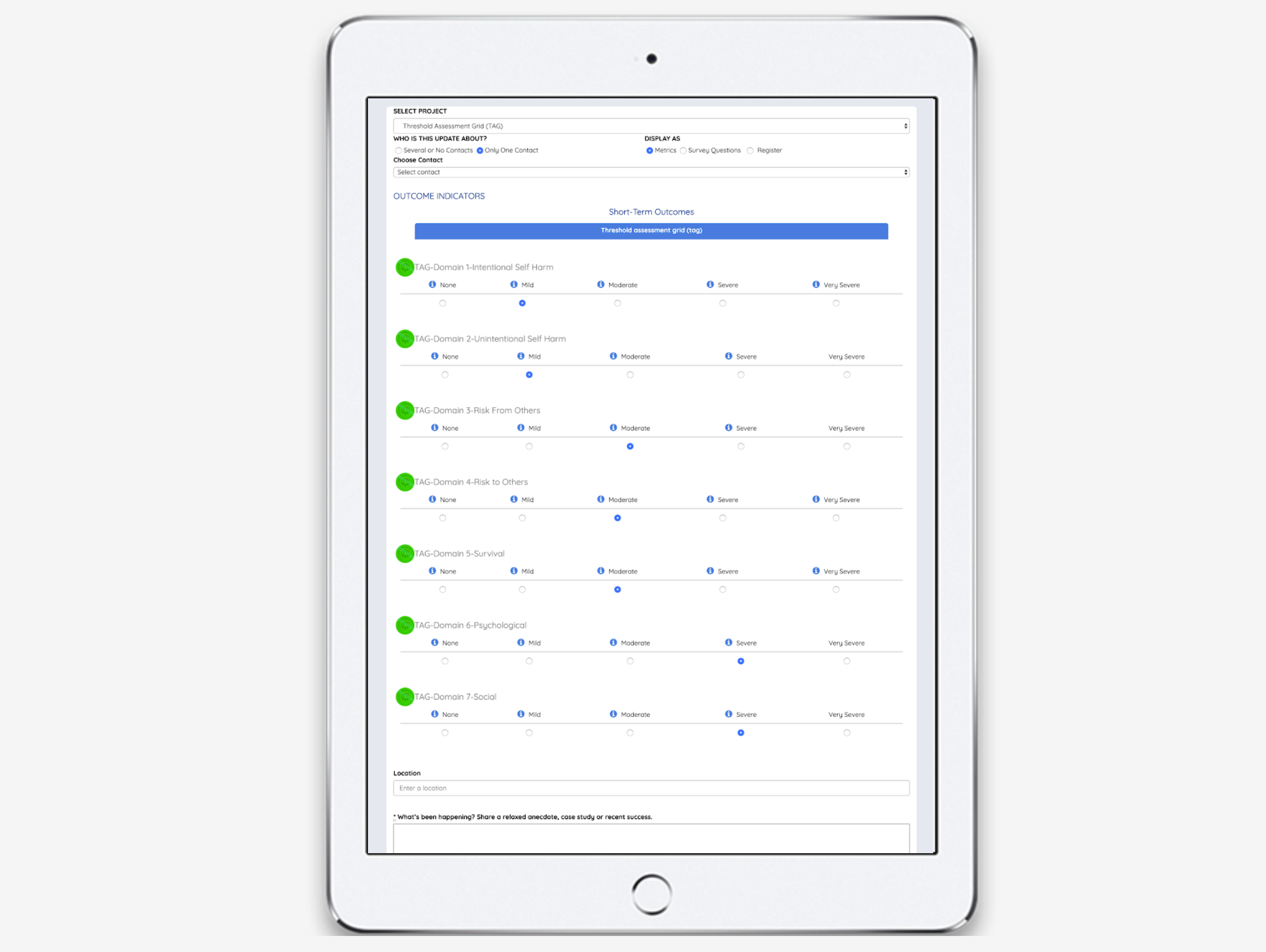
Simplify your process using smart forms
Collect all the information you need to know about every individual you work with
Participant Registration on our Equine-Assisted Activities project
- Full name
- Date of birth
- Age band (choice, Q2327)
- Gender
and 30 more questions
Achieve better outcomes for everyone
Keep things running smoothly with powerful CRM tools that are surprisingly easy to use
Timeline
Flags
Referrals
Messaging
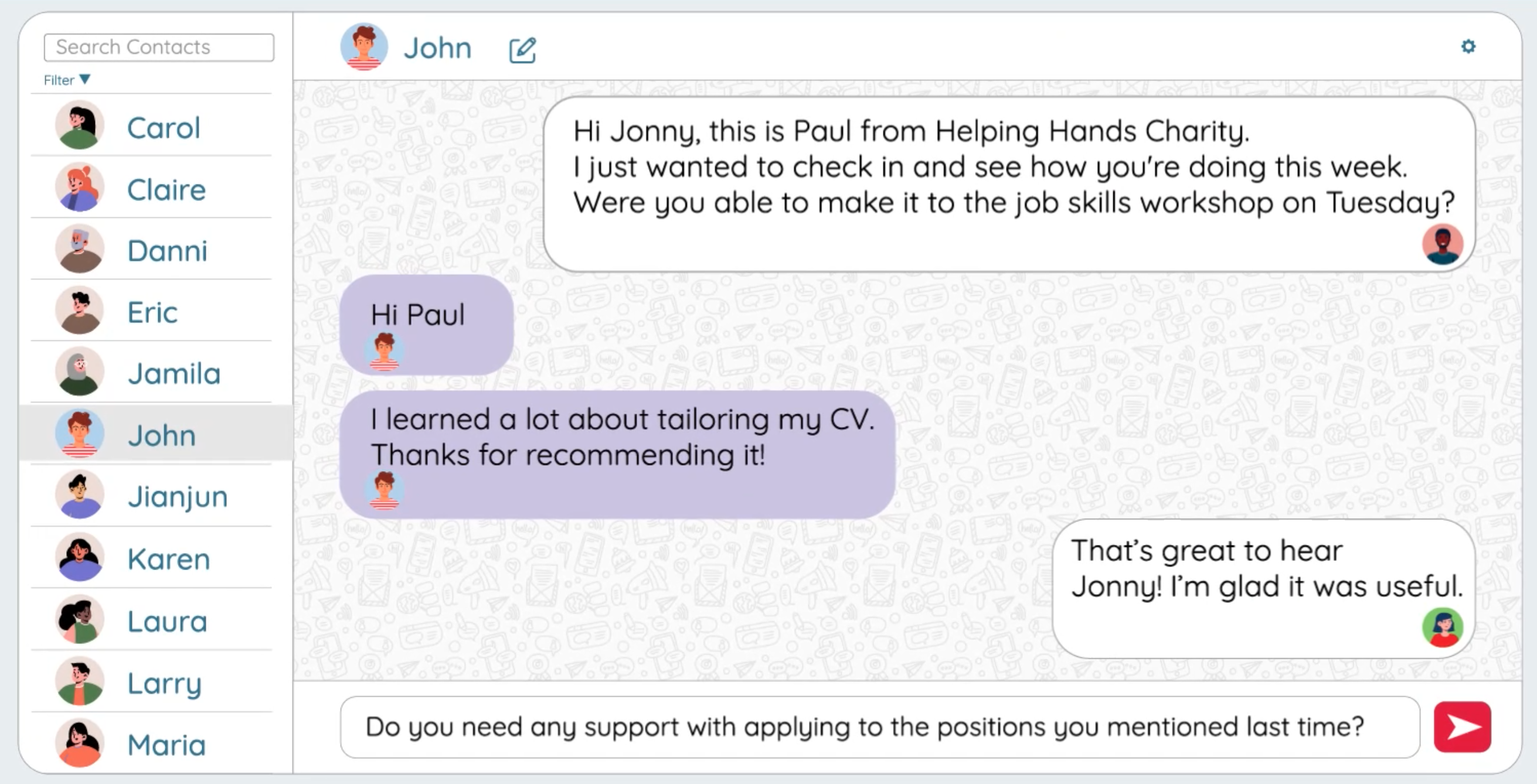
Demographics
Timeline
Each contact’s profile contains a full history: emails, texts, notes, progress, survey responses and more. No more asking around. Everyone sees the same picture. And yes, you can export it all to PDF for case reviews and multi-agency meetings.
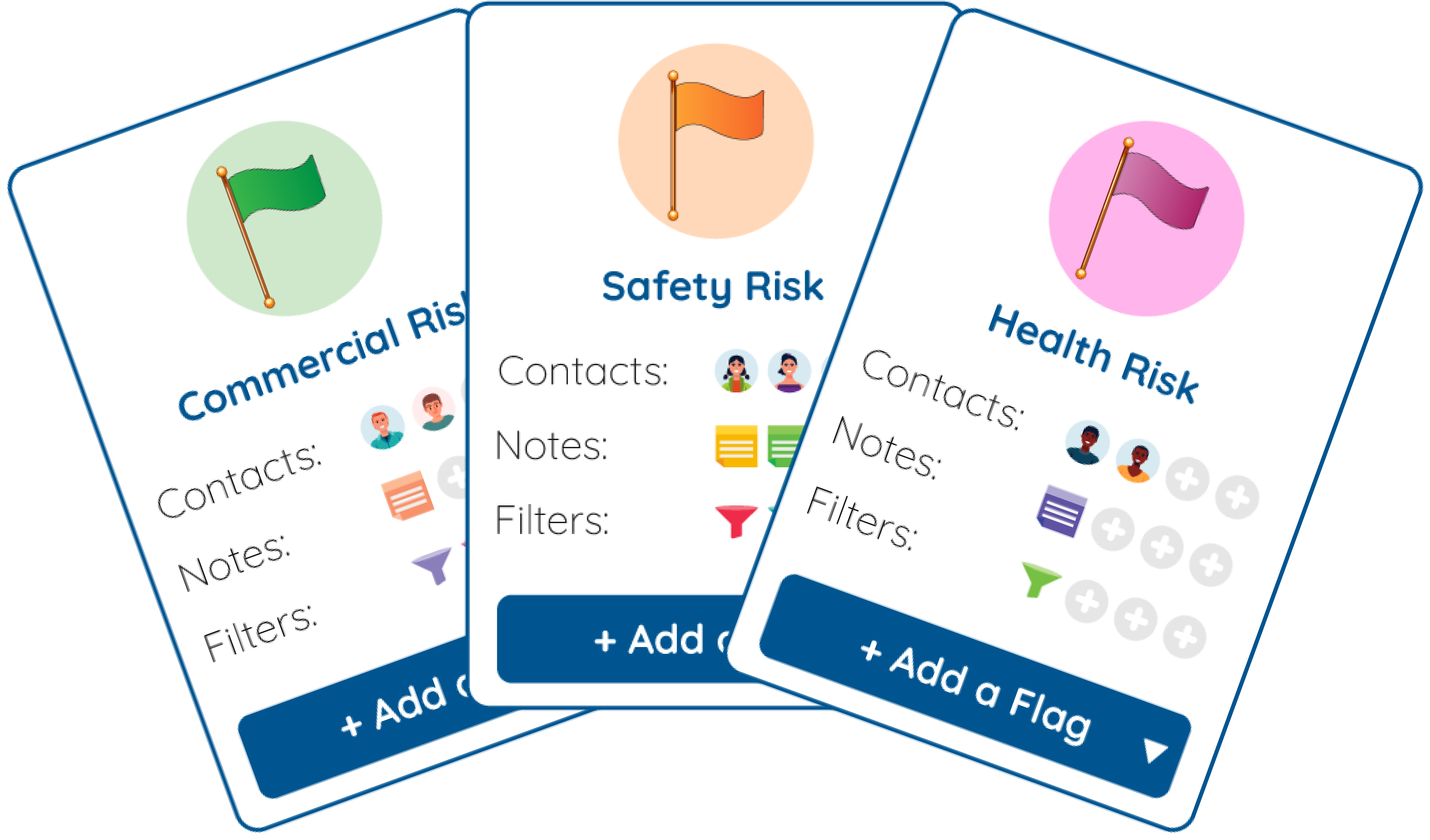
Flags
Use visual flags to highlight important information - such as allergies, risks or support needs. Flags follow people across the system, giving your team the heads-up they need at the moment they need it. Report on flags, filter by flags, automate flags.
Referrals
Create branded forms for signups, referrals and newsletters - then embed them on your website or use them internally. Responses are instantly turned into CRM records, saving your team hours of admin.
Messaging
Send and receive SMS and emails from directly inside a person’s profile. Communicate 1-to-1 or in bulk. Set up automatic messages or schedule them in for the future. Everything’s logged, so nothing slips through the cracks.
Demographics
Produce reports instantly with charts that are available out-of-the-box. Use Filters to finetune results when reporting on specific projects, demographic characteristics or other attributes. Every result is downloadable.
Your Impact Playbook
Learn from others' mistakes and benefit from practical, crowdsourced strategies that help you achieve this toolkit's outcomes.
Setting Up Your Equine-Assisted Programme on Makerble
Create your Project (e.g. "Therapeutic Riding Programme 2025–27" or "Veterans' Equine Therapy")Import the Impact Scorecard from this CollectionSet up Registr...
The Horse as Co-Therapist - Measuring the Relationship
In equine-assisted activities, the horse is not a piece of equipment - the horse is a co-therapist, a teacher, a mirror, a friend. The quality of the relatio...
Trauma-Informed Practice in Equine Settings
Horses are particularly effective in trauma recovery because: Horses don't require verbal processing - reducing pressure on trauma survivors who struggle to ...
Physical Rehabilitation - Movement Patterns and Functional Outcomes
The three-dimensional movement of a horse's walk mimics the human gait more closely than any mechanical device. One session on a horse provides: 2,000+ adjus...
Demonstrating Equine-Assisted Impact to Funders
Equine-assisted programmes are funded by:Charitable trusts (particularly those supporting disability, mental health, veterans, children)NHS / Integrated Care...
Don't just measure change. Accelerate it.
Measuring your impact is only half the battle. To help you improve your results, every Toolkit™ comes with an integrated Impact Playbook.
Learn from what works
A safe space to share ideas
Helpful suggestions, right where you need them
Create your own Best Practice playbooks
Learn from what works
Access a library of proven practical strategies designed to help you achieve these outcomes. Find examples of what's worked in other organisations and stay up-to-date on best practice.
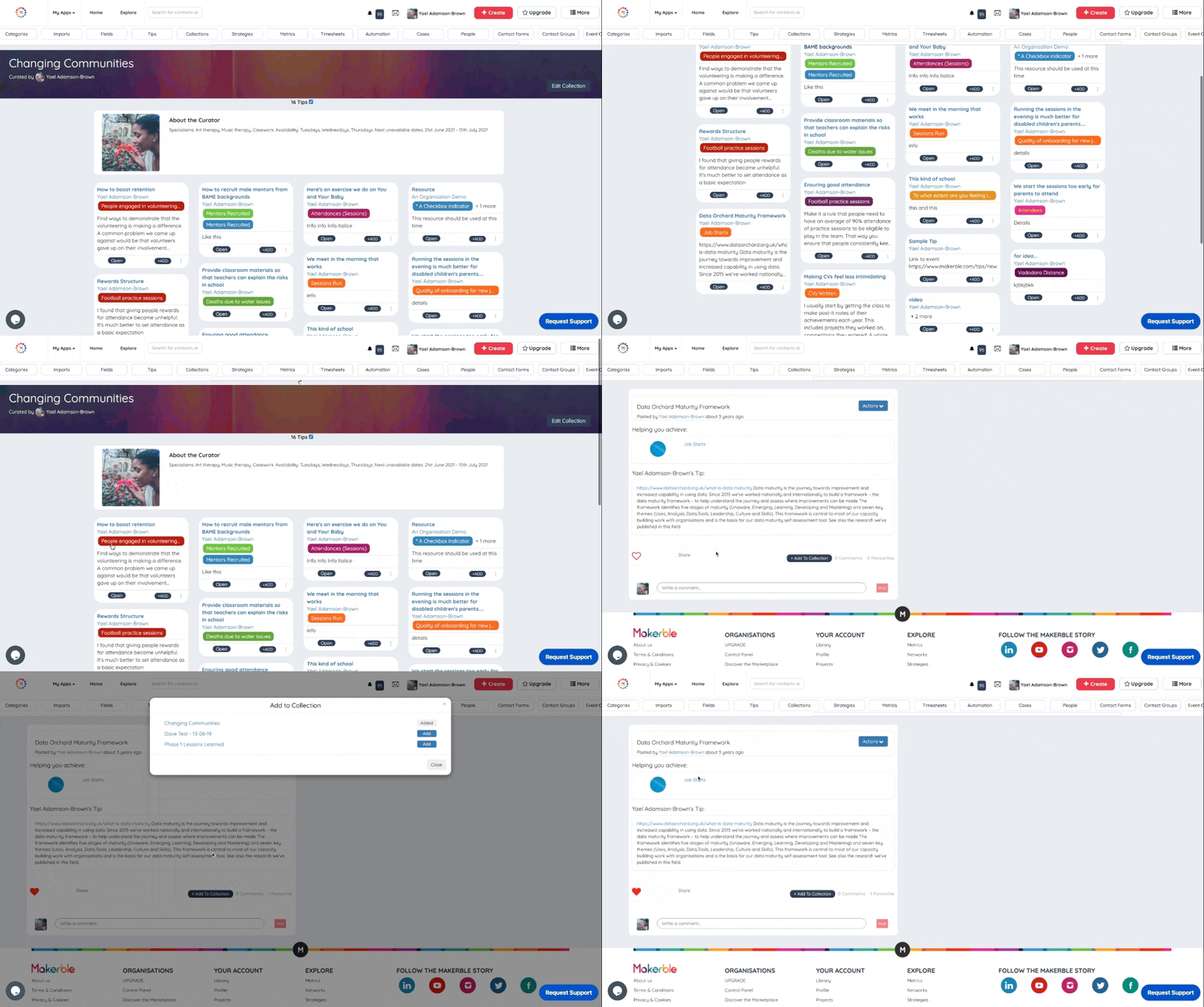
A safe space to share ideas
Cultivate curiosity, knowledge-sharing and openness to new ideas across your team. Your colleagues can share their own suggestions, improvements and reflections that are tagged to specific outcomes.
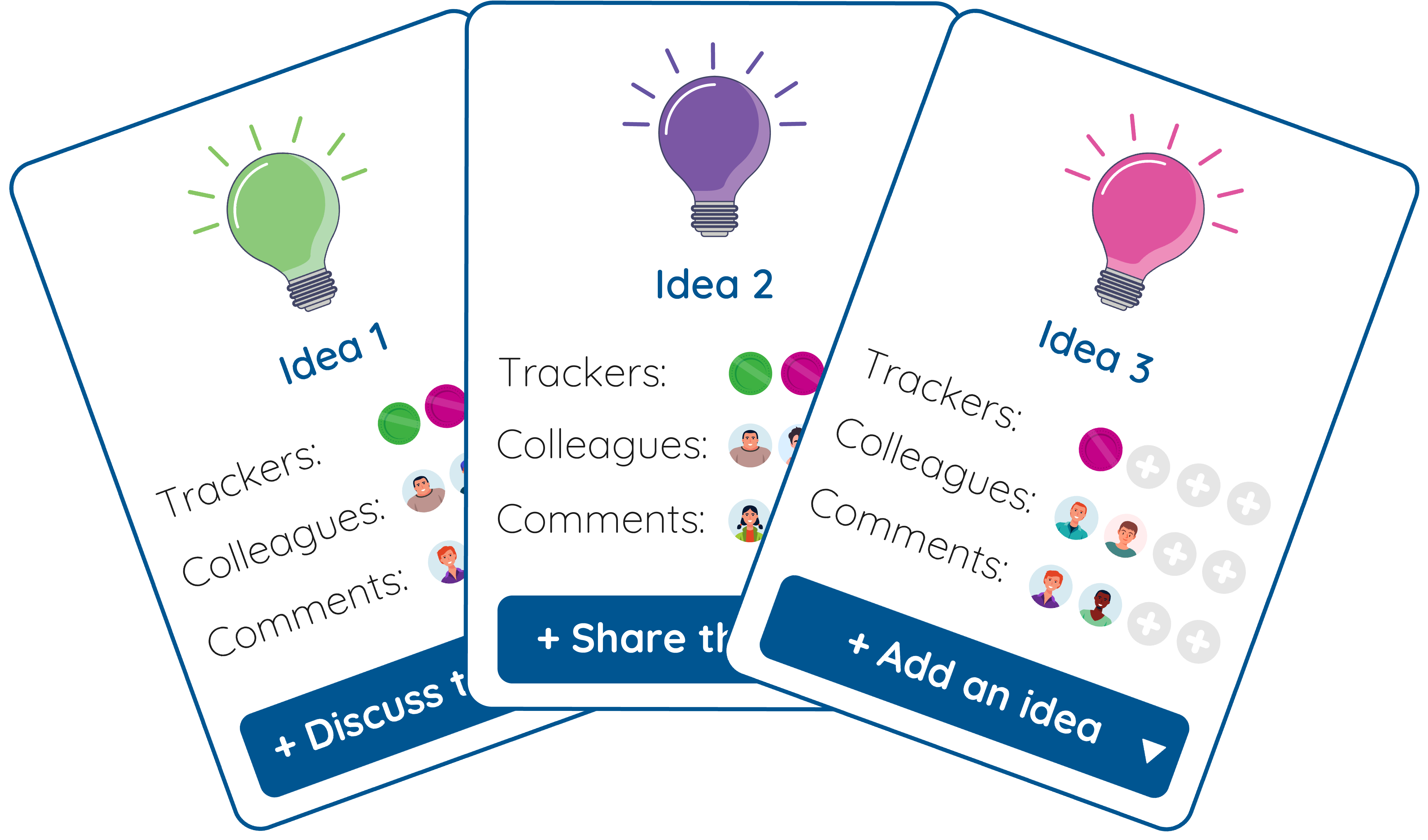
Helpful suggestions, right where you need them
Provide colleagues with timely relevant guidance that's specific to each contact, client or beneficiary they're working with. Ideas are tagged with demographic characteristics and specific outcomes or indicators - which means that your colleagues will only see suggestions that are suitable for the person they're working with.
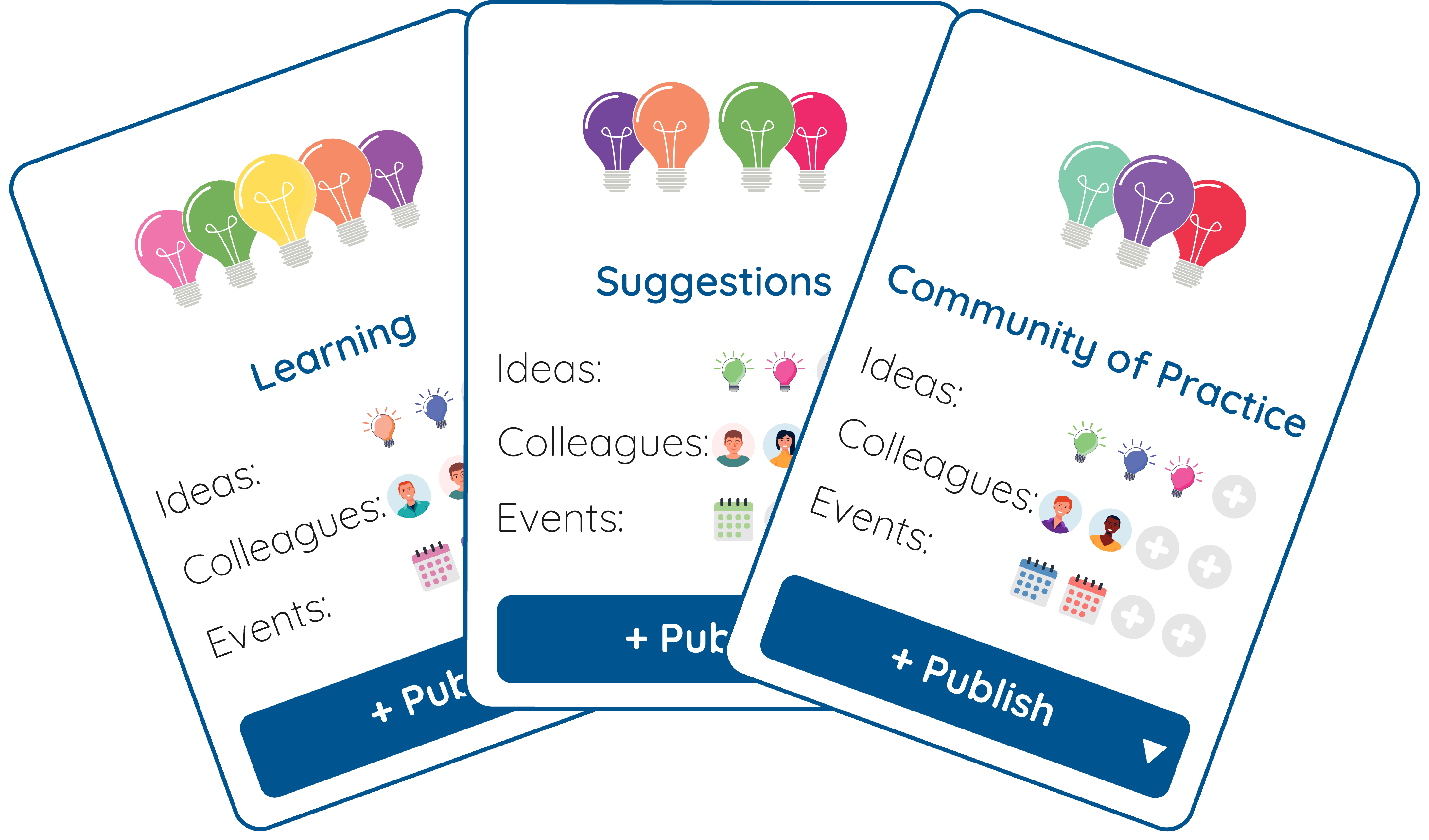
Create your own Best Practice playbooks
Curate ideas into Collections that are themed around particular topics or ways of working. Pick from the public library as well as ideas contributed by your team based on their own expertise or lived experience.
Every impact KPI you need to track. Organised in one place.
Work with our library of metrics or create your own
Metric
 Metric
Social skills and relationships improve (Equine-Assisted Activities)
 Metric
Life skills and independence develop (Equine-Assisted Activities)
 Metric
Physical function improves (physical rehab and therapeutic riding) (Equine-Assisted Activities)
 Metric
Wellbeing and mental health improvements are sustained (Equine-Assisted Activities)
 Metric
Confidence and life skills are maintained (Equine-Assisted Activities)
 Metric
Participants remain connected to horses and nature (Equine-Assisted Activities)
 Metric
Life circumstances improve (context-dependent) (Equine-Assisted Activities)
Metrics that link your work to your impact
Report results in an instant. Spot gaps quickly and make data-driven decisions based on live information.
Quantify the difference you make
Visualise progress geographically
Calculate Economic Impact
Import results from spreadsheets
Quantify the difference you make
Track impact using stories, surveys, imported spreadsheets or API integrations. Keep everything in one place - numbers, narratives, media and more.
Visualise progress geographically
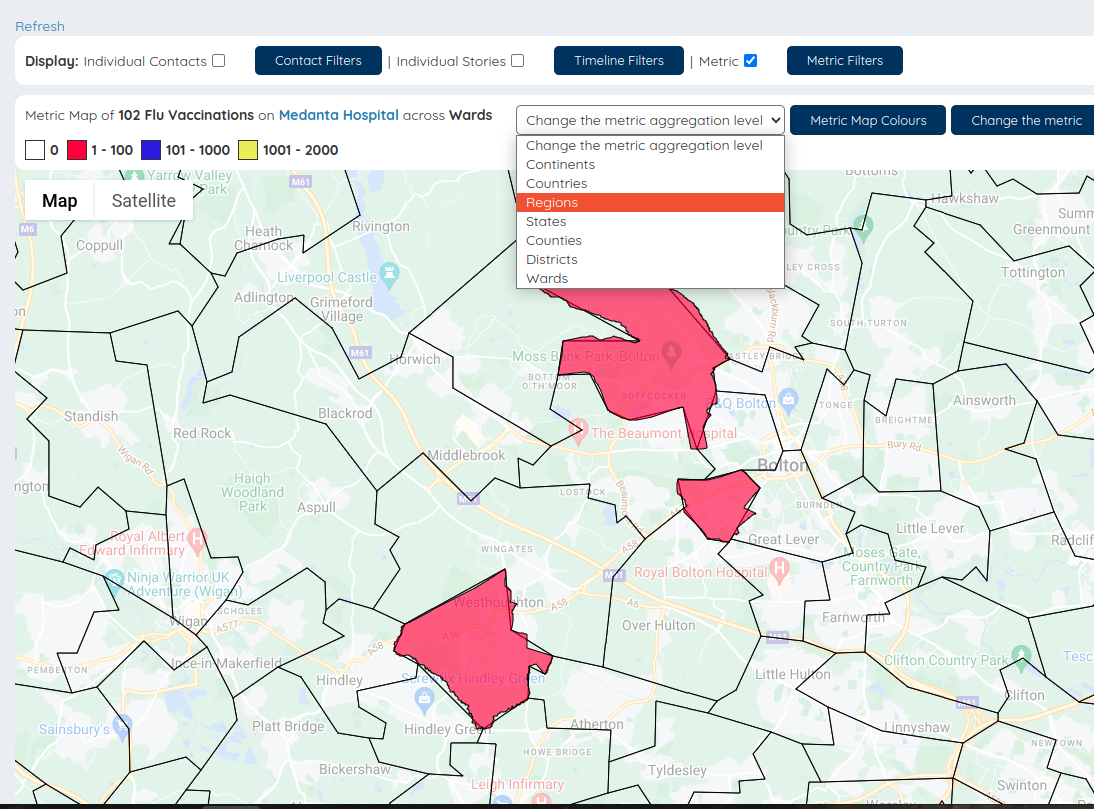
Plot your impact on a map - from heatmaps showing aggregated change to location pins on individual stories and projects. A powerful way to see gaps, strengths and reach.
Calculate Economic Impact
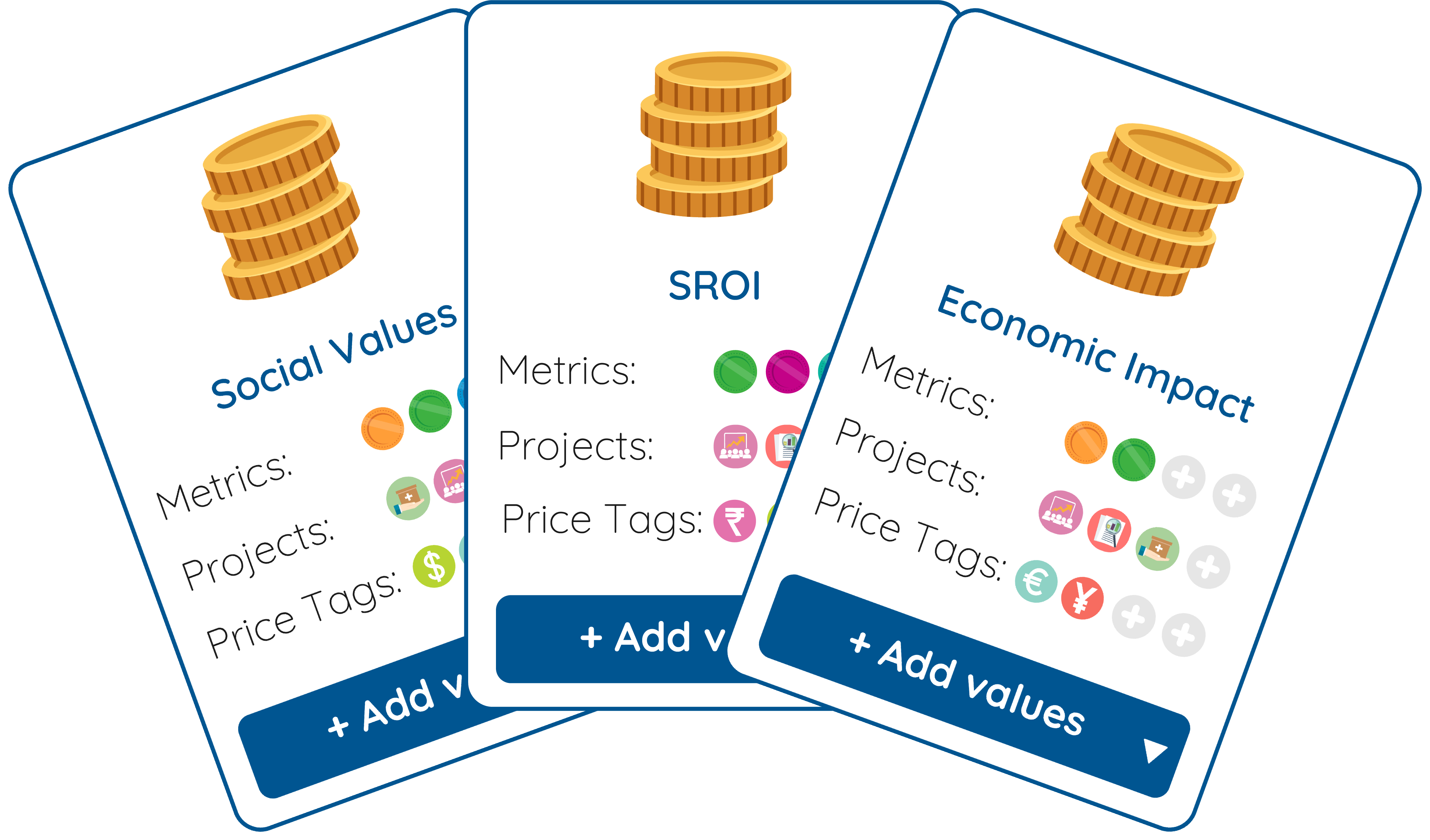
Define your own multipliers, proxies and financial values. Makerble® automatically calculates the Social Value, SROI or Economic Impact of the outcomes you’re delivering based on the numbers you enter. No third-party subscription needed.
Import results from spreadsheets
Record impact stats and stories directly. Pull in results from spreadsheets, forms or other tools. Connect to to other systems for seamless continuity using APIs and integrations.
Bring it all together with a Toolbar™
Stay organised with a helpful set of shortcuts that put everything you need just one click away


This collection is paired with the Equine-Assisted Activities Toolbar™ but you can swap it for a different toolbar or add, remove and rename its shortcuts.
Structure where you need it. Flexibility where you want it.
Organise your impact the way you want to. Use Projects to keep things separate, then group results together with an Album.
Projects
Albums
Apps
Designer
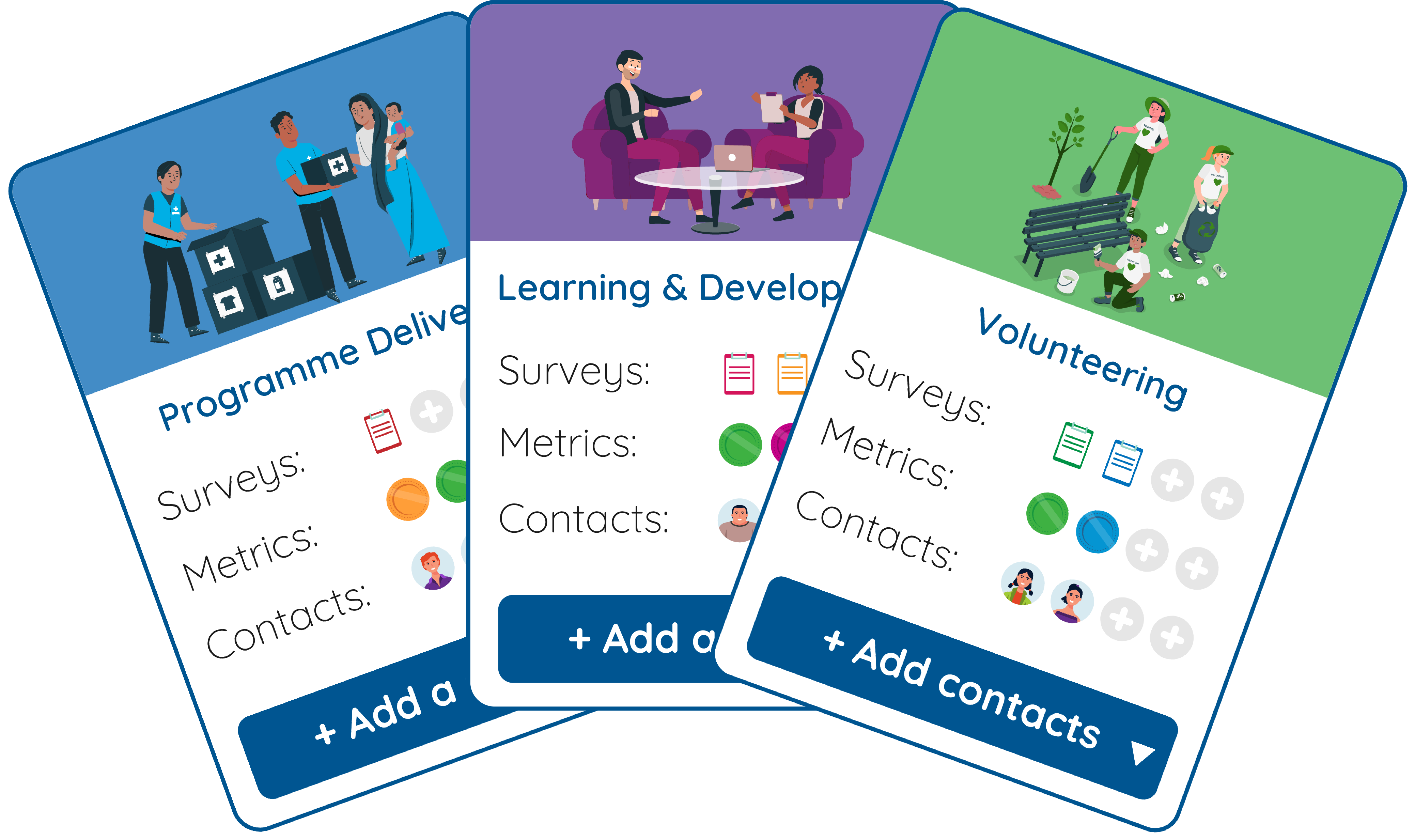
Projects
Powerful enough for reporting. Simple enough for day-to-day. Projects are the container for each cohort, service or programme you manage. Each project houses a set of contacts (e.g. people attending the same training course) as well as all the related case notes, survey responses and event records.
Albums
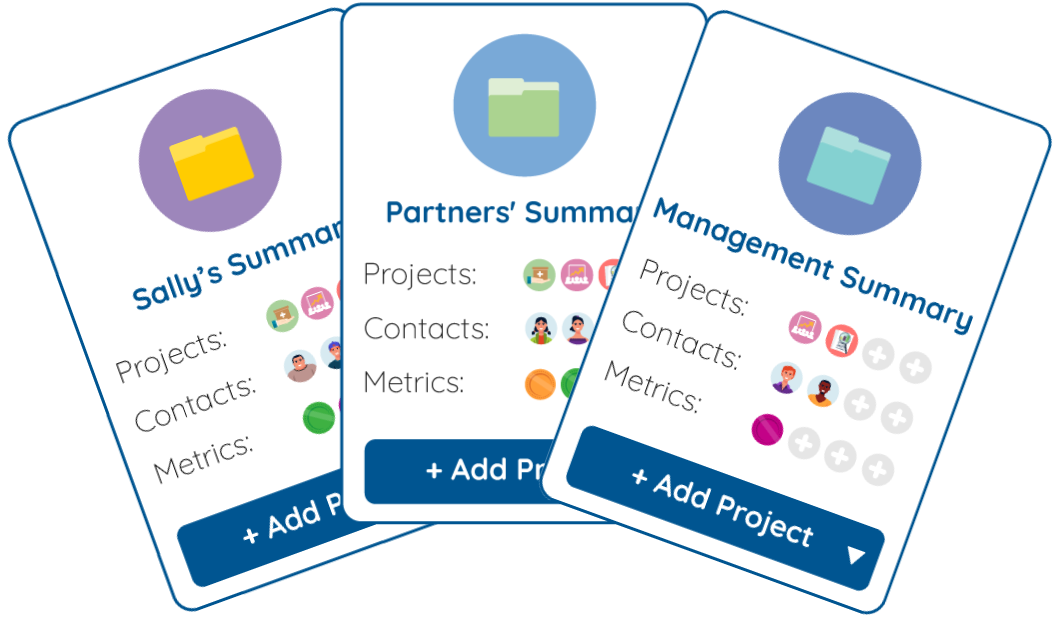
Meet every reporting requirement. Albums combine results from several projects. (And each project can be part of as many albums as necessary.) Now you can summarise and segment your work in every way you need to, whether for a funder, partner, manager or stakeholder.
Apps
Customise your Toolbar™ to suit your needs. Add, move and rename Apps as you see fit. It’s your platform, make it your own.

Designer
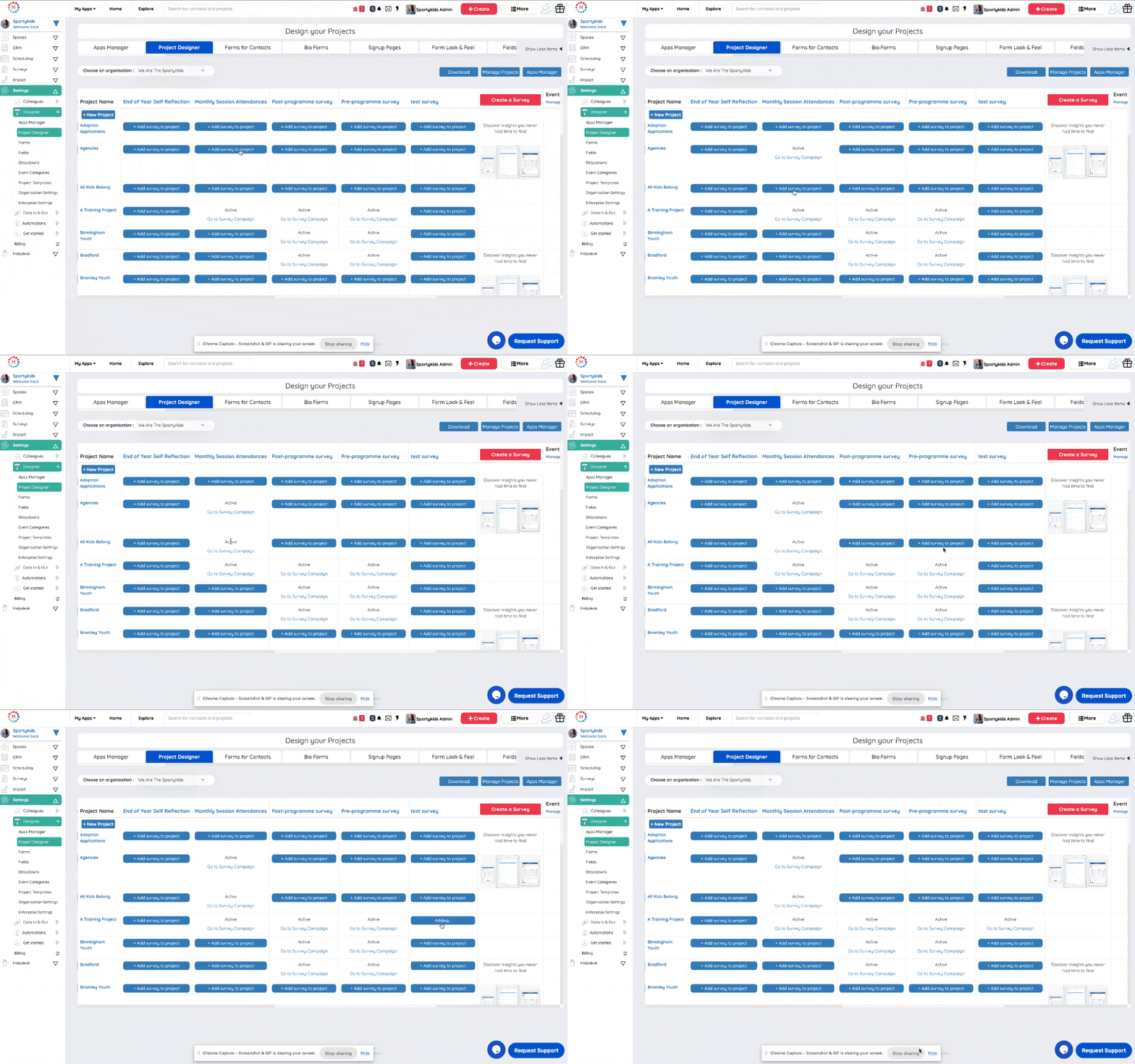
Customise your system yourself at any time. Create new tools, surveys and forms using easy-to-use editors and assign them to the projects that need them. With Makerble, you're always in control with a platform that's future-proof.
Ready to create lasting impact?
+ Use this free templateFrequently Asked Questions
What does it measure?
Tenancy stability, independent living skills, tenancy knowledge, health and wellbeing, engagement with support, tenancy readiness rated by both resident and staff, move-on destinations and whether tenancies are sustained at 3, 6 and 12 months.
Who is the Equine-Assisted Activities toolkit for?
RDA groups, therapeutic riding centres, equine-assisted therapy and learning providers, veterans' equine programmes, social farms, SEND schools and mental health and youth charities that work with horses.
How do we measure the horse-human relationship?
Short scales for comfort around horses, trust, confidence handling horses and enjoyment are repeated at every review. Changes in this relationship often come before and help explain changes in confidence and wellbeing.
Can we use it with children and with adults?
Yes. Questions can be answered with visual or smiley-face scales for children or those with communication needs, and the 3-month follow-up has separate questions for children, adults, veterans and care-experienced young people. Leave out the sections that do not apply.
How does it help with funders?
Every answer links to an outcome on the Impact Framework, so you can report changes in UCLA loneliness scores, social confidence and digital skills, visits made and concerns acted on early.
Unsure where to start or struggling to find a template that meets your needs?
Speak to one of our friendly experts or customise your platform yourself.
Start using Equine-Assisted Activities
Your projects are the way you connect related information: results, contacts, survey responses, events and more.