 Metric
Substance Misuse Recovery and Treatment
Measure recovery as people define it: safer, healthier and more hopeful lives
Recovery is more than abstinence
The Substance Misuse Recovery and Treatment Impact Toolkit provides a complete measurement framework for residential rehabilitation, community drug and alcohol services, detox, mutual aid and recovery support. Recovery is defined by the person, whether that is abstinence, reduced use, harm reduction or a better quality of life, and relapse is treated as part of recovery rather than failure. The toolkit measures substance use, health and safety, mental wellbeing, quality of life and recovery capital from baseline through regular reviews, exit and follow-up.
Connect the actions you take to the difference they make
Treatment and support
See residential places, treatment sessions, peer groups, naloxone kits and family sessions
Community Treatment SessionsPeople supported
Understand how many people you support, what they use and their treatment history
People SupportedStabilisation and safety
Show engagement, changes in substance use, safer use and health
Has NaloxoneQuality of life and recovery capital
Track cravings, housing, work, relationships, wellbeing, motivation and coping
Cravings ManageableSustained recovery
Evidence recovery support continued, overdoses avoided and people thriving and giving back
Still Engaged in Recovery SupportQuantify every aspect of your impact
Substance Misuse Recovery and Treatment Impact Framework: + Use this impact framework

Activities
Activity outputs
3
Residential Treatment Places Provided
3
Community Treatment Sessions
20
Peer Support Groups Held
16
Naloxone Kits Distributed
5
Family Support Sessions
Engagement
Participation outputs
7
People Supported
Ability (short-term outcomes)
Short-term outcomes
People engage with support and stabilise (Substance Misuse Recovery and Treatment)
42
Attending Sessions Regularly
21
Has a Recovery Support Network
22
Feels Hopeful About Recovery
46
Understands Own Triggers
Substance use changes (Substance Misuse Recovery and Treatment)
20
Frequency of Use
17
Quantity Per Use
32
Route of Use
8
Risk Behaviours Reduced
Health and safety improve (Substance Misuse Recovery and Treatment)
68
Overdoses Avoided
9
Has Naloxone
2
Uses Safer Practices
4
Accessing Healthcare
34
Overdoses in Period
4
Blood-Borne Virus Infection Avoided
25
Physical Health

Behaviour (mid-term outcomes)
Medium-term outcomes
Substance use changes are sustained (Substance Misuse Recovery and Treatment)
40
Days Abstinent in Last 28 Days
9
Poly-drug Use Reduced
11
Cravings Manageable
Quality of life improves (Substance Misuse Recovery and Treatment)
14
In Stable Housing
43
In Work, Training or Volunteering
19
Relationships Improving
12
Mental Wellbeing
3
Quality of Life
33
Hope for the Future
10
Feels Life Has Purpose
Recovery capital increases (Substance Misuse Recovery and Treatment)
21
Has a Recovery Support Network
24
Motivation for Recovery
9
Coping Skills in Recovery
96
Self-Efficacy in Recovery
Effect (long-term outcomes)
Long-term outcomes
Recovery is sustained (Substance Misuse Recovery and Treatment)
31
Still Engaged in Recovery Support
6
Substance Use at Goal Level
2
Has Not Overdosed
34
Overdoses in Period
3
Quality of Life
The person thrives (Substance Misuse Recovery and Treatment)
1
Housing Sustained
41
Employment Sustained
23
Relationships Sustained
6
Contributing to Community
16
Mentors Others in Recovery
Activities
Activity outputs
3
/25
Residential Treatment Places Provided
3
/10
Community Treatment Sessions
20
/25
Peer Support Groups Held
16
/20
Naloxone Kits Distributed
5
/25
Family Support Sessions
No results in this timeframe
Engagement
Participation outputs
7
/20
People Supported
No results in this timeframe
Ability (short-term outcomes)
Short-term outcomes
42
People engage with support and stabilise (Substance Misuse Recovery and Treatment)
/50
Attending Sessions Regularly
21
People engage with support and stabilise (Substance Misuse Recovery and Treatment)
/40
Has a Recovery Support Network
22
People engage with support and stabilise (Substance Misuse Recovery and Treatment)
/40
Feels Hopeful About Recovery
46
People engage with support and stabilise (Substance Misuse Recovery and Treatment)
/100
Understands Own Triggers
20
Substance use changes (Substance Misuse Recovery and Treatment)
/40
Frequency of Use
17
Substance use changes (Substance Misuse Recovery and Treatment)
/80
Quantity Per Use
32
Substance use changes (Substance Misuse Recovery and Treatment)
/40
Route of Use
8
Substance use changes (Substance Misuse Recovery and Treatment)
/10
Risk Behaviours Reduced
68
Health and safety improve (Substance Misuse Recovery and Treatment)
/80
Overdoses Avoided
9
Health and safety improve (Substance Misuse Recovery and Treatment)
/10
Has Naloxone
2
Health and safety improve (Substance Misuse Recovery and Treatment)
/40
Uses Safer Practices
4
Health and safety improve (Substance Misuse Recovery and Treatment)
/10
Accessing Healthcare
34
Health and safety improve (Substance Misuse Recovery and Treatment)
/50
Overdoses in Period
4
Health and safety improve (Substance Misuse Recovery and Treatment)
/20
Blood-Borne Virus Infection Avoided
25
Health and safety improve (Substance Misuse Recovery and Treatment)
/25
Physical Health
No results in this timeframe
Behaviour (mid-term outcomes)
Medium-term outcomes
40
Substance use changes are sustained (Substance Misuse Recovery and Treatment)
/50
Days Abstinent in Last 28 Days
9
Substance use changes are sustained (Substance Misuse Recovery and Treatment)
/50
Poly-drug Use Reduced
11
Substance use changes are sustained (Substance Misuse Recovery and Treatment)
/20
Cravings Manageable
14
Quality of life improves (Substance Misuse Recovery and Treatment)
/40
In Stable Housing
43
Quality of life improves (Substance Misuse Recovery and Treatment)
/100
In Work, Training or Volunteering
19
Quality of life improves (Substance Misuse Recovery and Treatment)
/25
Relationships Improving
12
Quality of life improves (Substance Misuse Recovery and Treatment)
/40
Mental Wellbeing
3
Quality of life improves (Substance Misuse Recovery and Treatment)
/40
Quality of Life
33
Quality of life improves (Substance Misuse Recovery and Treatment)
/80
Hope for the Future
10
Quality of life improves (Substance Misuse Recovery and Treatment)
/10
Feels Life Has Purpose
21
Recovery capital increases (Substance Misuse Recovery and Treatment)
/40
Has a Recovery Support Network
24
Recovery capital increases (Substance Misuse Recovery and Treatment)
/25
Motivation for Recovery
9
Recovery capital increases (Substance Misuse Recovery and Treatment)
/20
Coping Skills in Recovery
96
Recovery capital increases (Substance Misuse Recovery and Treatment)
/100
Self-Efficacy in Recovery
No results in this timeframe
Effect (long-term outcomes)
Long-term outcomes
31
Recovery is sustained (Substance Misuse Recovery and Treatment)
/100
Still Engaged in Recovery Support
6
Recovery is sustained (Substance Misuse Recovery and Treatment)
/50
Substance Use at Goal Level
2
Recovery is sustained (Substance Misuse Recovery and Treatment)
/10
Has Not Overdosed
34
Recovery is sustained (Substance Misuse Recovery and Treatment)
/50
Overdoses in Period
3
Recovery is sustained (Substance Misuse Recovery and Treatment)
/40
Quality of Life
1
The person thrives (Substance Misuse Recovery and Treatment)
/80
Housing Sustained
41
The person thrives (Substance Misuse Recovery and Treatment)
/50
Employment Sustained
23
The person thrives (Substance Misuse Recovery and Treatment)
/80
Relationships Sustained
6
The person thrives (Substance Misuse Recovery and Treatment)
/10
Contributing to Community
16
The person thrives (Substance Misuse Recovery and Treatment)
/40
Mentors Others in Recovery
No results in this timeframe
| Progress Tracker | Outcome | Stage | Progress | Target | Percentage |
|---|---|---|---|---|---|
| Residential Treatment Places Provided | Activities | 3 | 25 | 12% | |
| Community Treatment Sessions | Activities | 3 | 10 | 30% | |
| Peer Support Groups Held | Activities | 20 | 25 | 80% | |
| Naloxone Kits Distributed | Activities | 16 | 20 | 80% | |
| Family Support Sessions | Activities | 5 | 25 | 20% | |
| People Supported | Engagement | 7 | 20 | 35% | |
| Attending Sessions Regularly | People engage with support and stabilise (Substance Misuse Recovery and Treatment) | Ability (short-term outcomes) | 42 | 50 | 84% |
| Has a Recovery Support Network | People engage with support and stabilise (Substance Misuse Recovery and Treatment) | Ability (short-term outcomes) | 21 | 40 | 52% |
| Feels Hopeful About Recovery | People engage with support and stabilise (Substance Misuse Recovery and Treatment) | Ability (short-term outcomes) | 22 | 40 | 55% |
| Understands Own Triggers | People engage with support and stabilise (Substance Misuse Recovery and Treatment) | Ability (short-term outcomes) | 46 | 100 | 46% |
| Frequency of Use | Substance use changes (Substance Misuse Recovery and Treatment) | Ability (short-term outcomes) | 20 | 40 | 50% |
| Quantity Per Use | Substance use changes (Substance Misuse Recovery and Treatment) | Ability (short-term outcomes) | 17 | 80 | 21% |
| Route of Use | Substance use changes (Substance Misuse Recovery and Treatment) | Ability (short-term outcomes) | 32 | 40 | 80% |
| Risk Behaviours Reduced | Substance use changes (Substance Misuse Recovery and Treatment) | Ability (short-term outcomes) | 8 | 10 | 80% |
| Overdoses Avoided | Health and safety improve (Substance Misuse Recovery and Treatment) | Ability (short-term outcomes) | 68 | 80 | 85% |
| Has Naloxone | Health and safety improve (Substance Misuse Recovery and Treatment) | Ability (short-term outcomes) | 9 | 10 | 90% |
| Uses Safer Practices | Health and safety improve (Substance Misuse Recovery and Treatment) | Ability (short-term outcomes) | 2 | 40 | 5% |
| Accessing Healthcare | Health and safety improve (Substance Misuse Recovery and Treatment) | Ability (short-term outcomes) | 4 | 10 | 40% |
| Overdoses in Period | Health and safety improve (Substance Misuse Recovery and Treatment) | Ability (short-term outcomes) | 34 | 50 | 68% |
| Blood-Borne Virus Infection Avoided | Health and safety improve (Substance Misuse Recovery and Treatment) | Ability (short-term outcomes) | 4 | 20 | 20% |
| Physical Health | Health and safety improve (Substance Misuse Recovery and Treatment) | Ability (short-term outcomes) | 25 | 25 | 100% |
| Days Abstinent in Last 28 Days | Substance use changes are sustained (Substance Misuse Recovery and Treatment) | Behaviour (mid-term outcomes) | 40 | 50 | 80% |
| Poly-drug Use Reduced | Substance use changes are sustained (Substance Misuse Recovery and Treatment) | Behaviour (mid-term outcomes) | 9 | 50 | 18% |
| Cravings Manageable | Substance use changes are sustained (Substance Misuse Recovery and Treatment) | Behaviour (mid-term outcomes) | 11 | 20 | 55% |
| In Stable Housing | Quality of life improves (Substance Misuse Recovery and Treatment) | Behaviour (mid-term outcomes) | 14 | 40 | 35% |
| In Work, Training or Volunteering | Quality of life improves (Substance Misuse Recovery and Treatment) | Behaviour (mid-term outcomes) | 43 | 100 | 43% |
| Relationships Improving | Quality of life improves (Substance Misuse Recovery and Treatment) | Behaviour (mid-term outcomes) | 19 | 25 | 76% |
| Mental Wellbeing | Quality of life improves (Substance Misuse Recovery and Treatment) | Behaviour (mid-term outcomes) | 12 | 40 | 30% |
| Quality of Life | Quality of life improves (Substance Misuse Recovery and Treatment) | Behaviour (mid-term outcomes) | 3 | 40 | 7% |
| Hope for the Future | Quality of life improves (Substance Misuse Recovery and Treatment) | Behaviour (mid-term outcomes) | 33 | 80 | 41% |
| Feels Life Has Purpose | Quality of life improves (Substance Misuse Recovery and Treatment) | Behaviour (mid-term outcomes) | 10 | 10 | 100% |
| Has a Recovery Support Network | Recovery capital increases (Substance Misuse Recovery and Treatment) | Behaviour (mid-term outcomes) | 21 | 40 | 52% |
| Motivation for Recovery | Recovery capital increases (Substance Misuse Recovery and Treatment) | Behaviour (mid-term outcomes) | 24 | 25 | 96% |
| Coping Skills in Recovery | Recovery capital increases (Substance Misuse Recovery and Treatment) | Behaviour (mid-term outcomes) | 9 | 20 | 45% |
| Self-Efficacy in Recovery | Recovery capital increases (Substance Misuse Recovery and Treatment) | Behaviour (mid-term outcomes) | 96 | 100 | 96% |
| Still Engaged in Recovery Support | Recovery is sustained (Substance Misuse Recovery and Treatment) | Effect (long-term outcomes) | 31 | 100 | 31% |
| Substance Use at Goal Level | Recovery is sustained (Substance Misuse Recovery and Treatment) | Effect (long-term outcomes) | 6 | 50 | 12% |
| Has Not Overdosed | Recovery is sustained (Substance Misuse Recovery and Treatment) | Effect (long-term outcomes) | 2 | 10 | 20% |
| Overdoses in Period | Recovery is sustained (Substance Misuse Recovery and Treatment) | Effect (long-term outcomes) | 34 | 50 | 68% |
| Quality of Life | Recovery is sustained (Substance Misuse Recovery and Treatment) | Effect (long-term outcomes) | 3 | 40 | 7% |
| Housing Sustained | The person thrives (Substance Misuse Recovery and Treatment) | Effect (long-term outcomes) | 1 | 80 | 1% |
| Employment Sustained | The person thrives (Substance Misuse Recovery and Treatment) | Effect (long-term outcomes) | 41 | 50 | 82% |
| Relationships Sustained | The person thrives (Substance Misuse Recovery and Treatment) | Effect (long-term outcomes) | 23 | 80 | 28% |
| Contributing to Community | The person thrives (Substance Misuse Recovery and Treatment) | Effect (long-term outcomes) | 6 | 10 | 60% |
| Mentors Others in Recovery | The person thrives (Substance Misuse Recovery and Treatment) | Effect (long-term outcomes) | 16 | 40 | 40% |
Measure what matters at every stage of the journey
Get started with surveys written for this kind of work. Use the ready-made version, adapt it if you want or write your own surveys from scratch.
Substance Misuse Recovery and Treatment: Baseline Assessment
At treatment start: substance use, health, housing, work, support, recovery goals, wellbeing and recovery capital.
+ Use this surveySubstance Misuse Recovery and Treatment: Progress Review
Monthly or every three months: substance use in the last 28 days, safety, health, quality of life and recovery capital.
+ Use this surveySubstance Misuse Recovery and Treatment: Completion or Exit Review
Whenever treatment ends, whether completed, ongoing elsewhere or left early: change in substance use and quality of life, and what helped.
+ Use this surveySubstance Misuse Recovery and Treatment: 6- and 12-Month Follow-Up
Six and twelve months after treatment: sustained recovery, relapses and what was learned, quality of life and thriving.
+ Use this surveyRecurring surveys. Made manageable.
With Makerble® it’s easier than ever to gather all the insights you need to change lives, drive growth and spark transformation.
Understand how people’s answers change over time
Send surveys out automatically using Automations
Import previous survey responses with ease
Survey offline and on the go
Understand how people’s answers change over time
Whether you survey once or at regular intervals, you can easily compare trends, spot changes and measure longitudinal impact across individuals or groups.
Send surveys out automatically using Automations
Set rules that trigger surveys automatically - when someone joins a programme, attends an event or reaches a key milestone. Initiate follow-ups, send reminders and personalise survey journeys to keep participants involved throughout.
Import previous survey responses with ease
Bring your survey history with you. Makerble lets you upload legacy data from spreadsheets or other platforms - and even link it to individual profiles in your CRM. That means no disruption, just continuity and deeper insight.
Survey offline and on the go
Use tablets and smartphones to record survey responses even without an internet connection - all results sync to the cloud automatically whenever you have an internet connection.
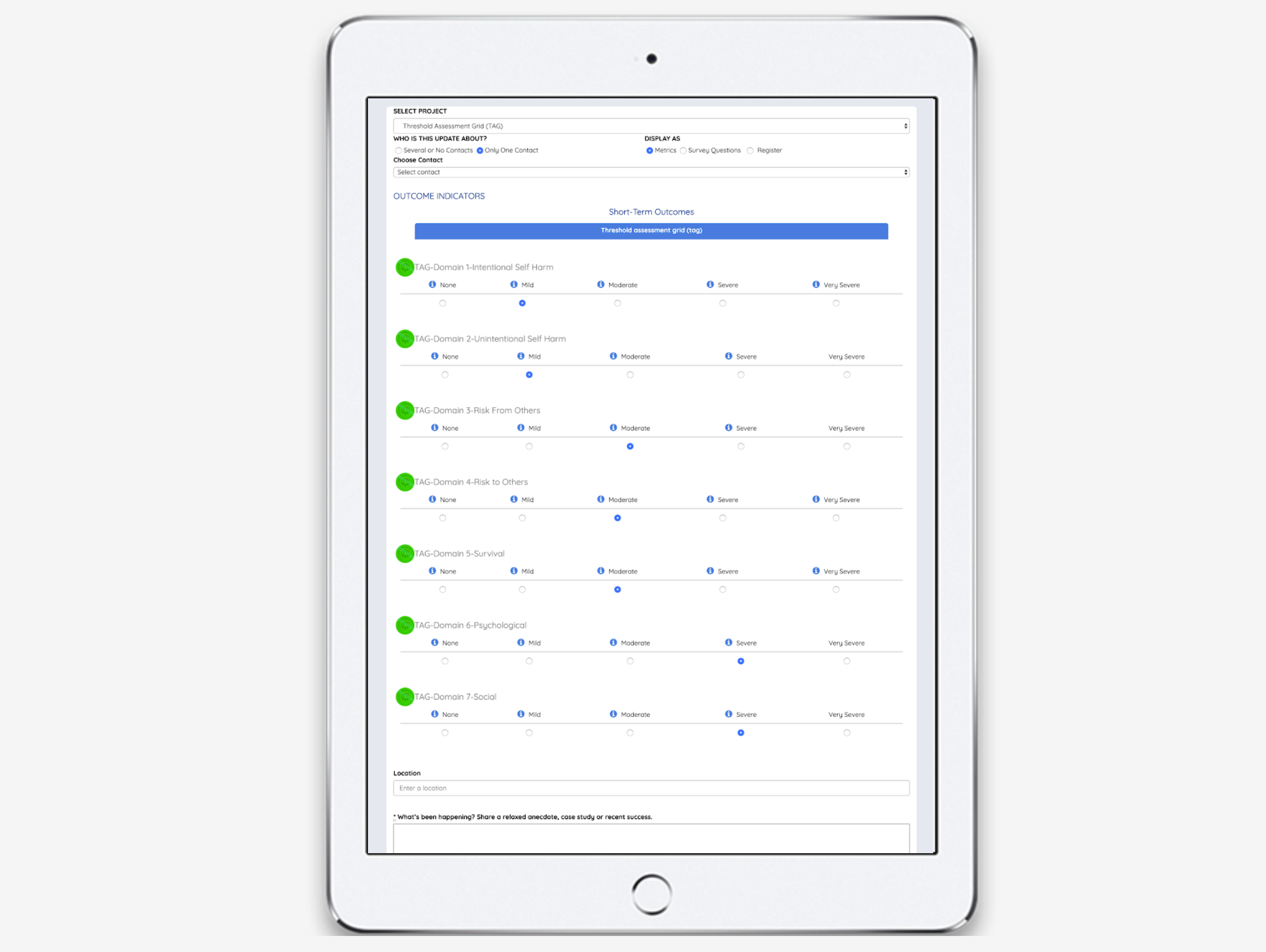
Simplify your process using smart forms
Collect all the information you need to know about every individual you work with
Client Registration on our Substance Misuse Recovery and Treatment project
- Full name
- Date of birth
- Age band
- Gender
and 10 more questions
Achieve better outcomes for everyone
Keep things running smoothly with powerful CRM tools that are surprisingly easy to use
Timeline
Flags
Referrals
Messaging
Demographics
Timeline
Each contact’s profile contains a full history: emails, texts, notes, progress, survey responses and more. No more asking around. Everyone sees the same picture. And yes, you can export it all to PDF for case reviews and multi-agency meetings.
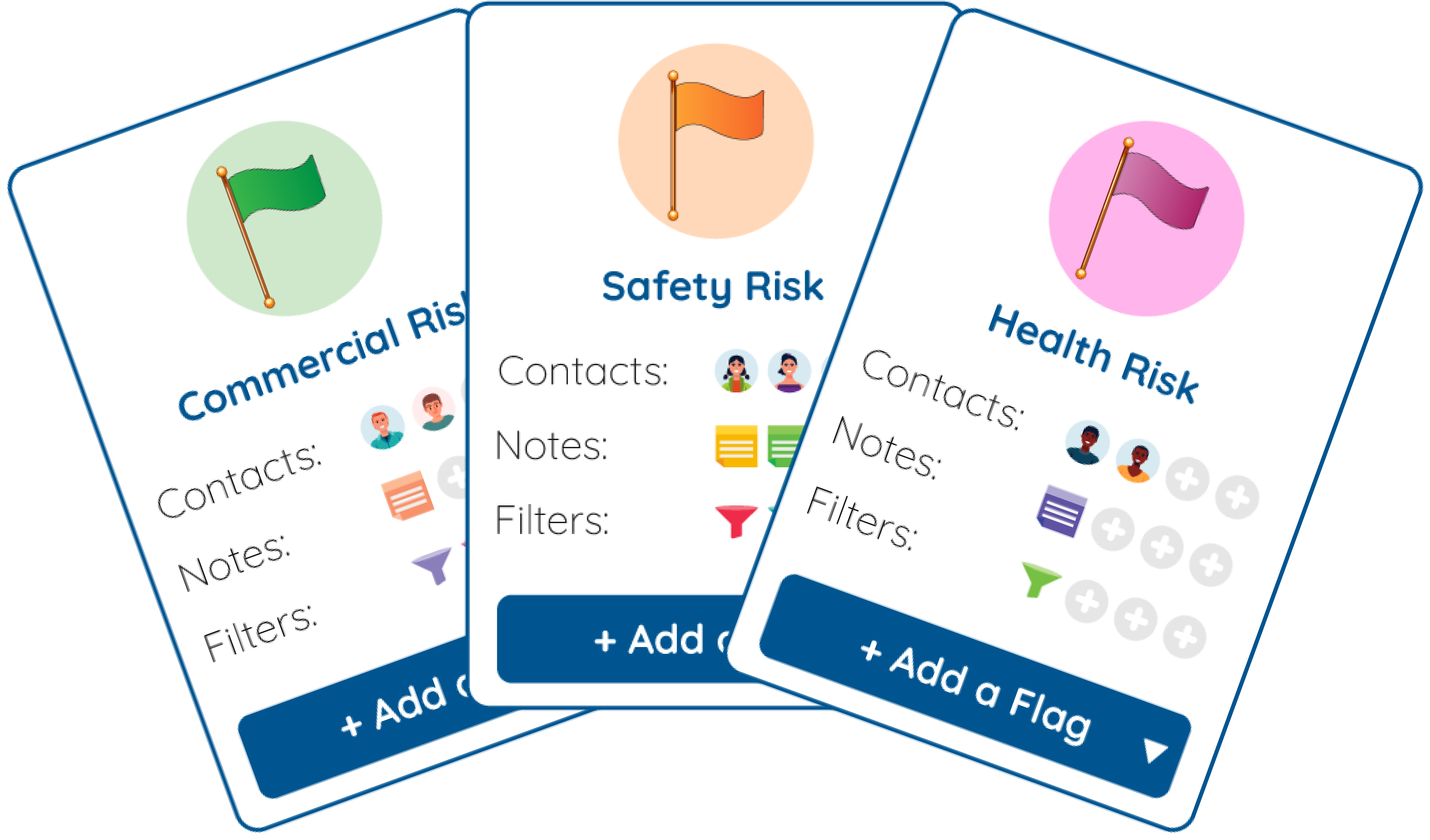
Flags
Use visual flags to highlight important information - such as allergies, risks or support needs. Flags follow people across the system, giving your team the heads-up they need at the moment they need it. Report on flags, filter by flags, automate flags.
Referrals
Create branded forms for signups, referrals and newsletters - then embed them on your website or use them internally. Responses are instantly turned into CRM records, saving your team hours of admin.
Messaging
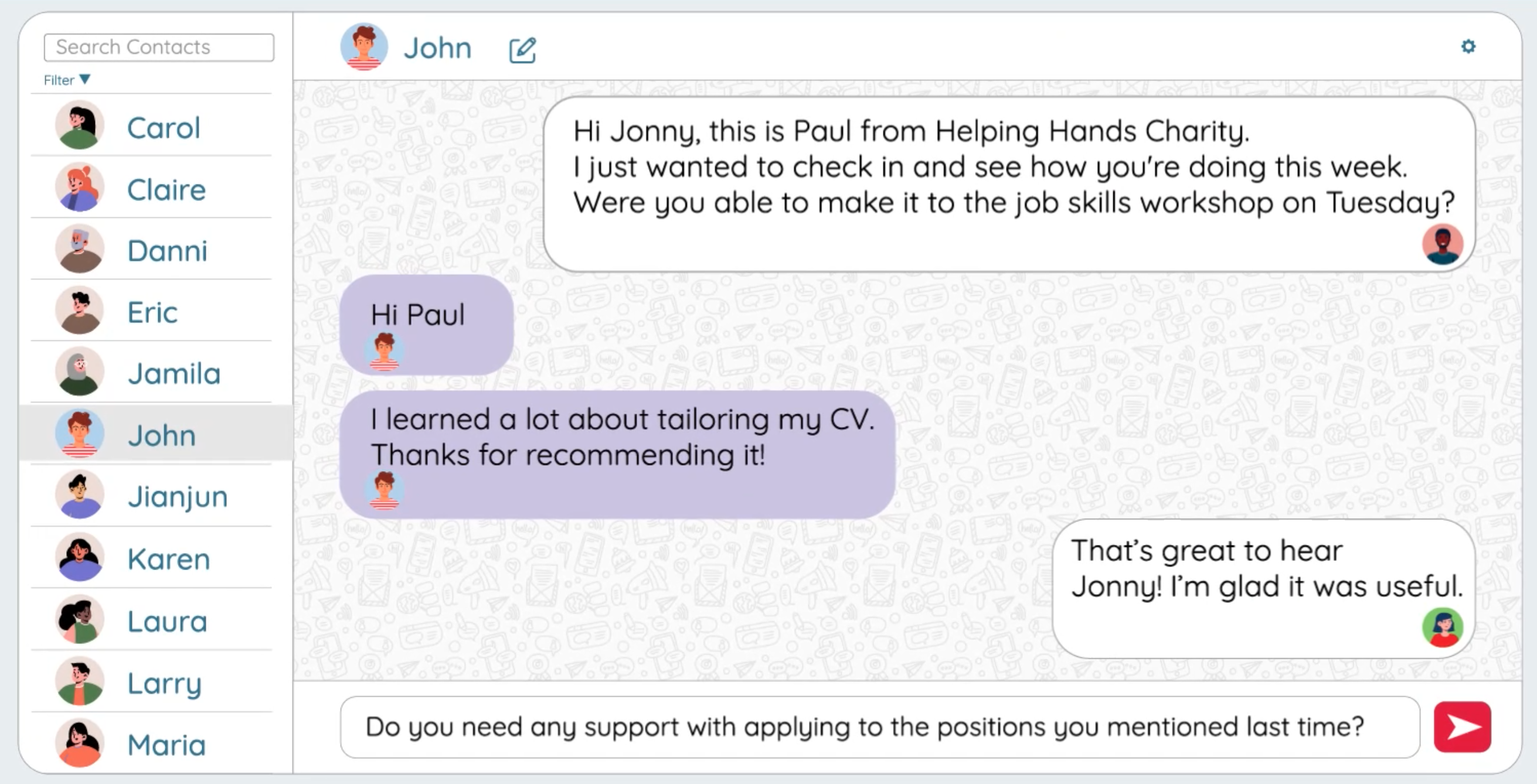
Send and receive SMS and emails from directly inside a person’s profile. Communicate 1-to-1 or in bulk. Set up automatic messages or schedule them in for the future. Everything’s logged, so nothing slips through the cracks.
Demographics
Produce reports instantly with charts that are available out-of-the-box. Use Filters to finetune results when reporting on specific projects, demographic characteristics or other attributes. Every result is downloadable.
Your Impact Playbook
Learn from others' mistakes and benefit from practical, crowdsourced strategies that help you achieve this toolkit's outcomes.
Person-Defined Recovery Goals
Recovery means different things:Abstinence: Zero useControlled use: Reduced frequency/quantityHarm reduction: Safer use, fewer risksQuality of life: Better l...
Relapse is Learning, Not Failure
Track:Number of relapsesWhat triggered eachWhat was learnedWhat will be different next timeSupport accessed during/afterReport: "73% experienced at least one...
Quality of Life as Primary Outcome
Someone who reduces heroin use from daily injecting to weekly smoking, secures housing, reconnects with family and gains employment has profoundly recovered ...
Harm Reduction Saves Lives
Measure:Overdoses prevented (naloxone reversals)Infections avoided (needle exchange, testing)Safer use practices (route change: injecting → smoking)Report: "...
Demonstrating Recovery Impact to Funders
Show:Engagement rates (% attending regularly)Substance use reduction (even if not abstinent)Quality of life improvementsHarm reduction outcomes (overdoses pr...
Don't just measure change. Accelerate it.
Measuring your impact is only half the battle. To help you improve your results, every Toolkit™ comes with an integrated Impact Playbook.
Learn from what works
A safe space to share ideas
Helpful suggestions, right where you need them
Create your own Best Practice playbooks
Learn from what works
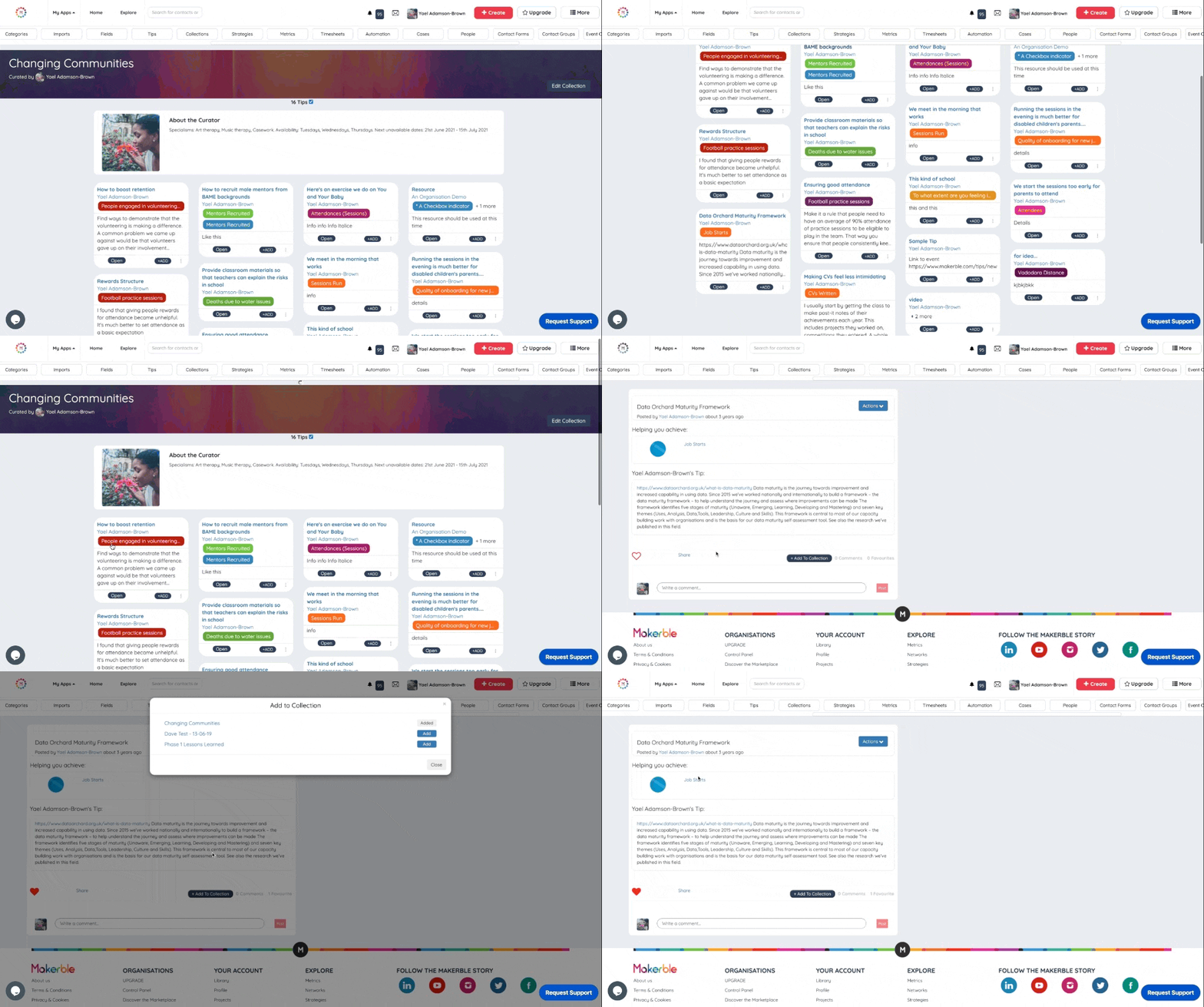
Access a library of proven practical strategies designed to help you achieve these outcomes. Find examples of what's worked in other organisations and stay up-to-date on best practice.
A safe space to share ideas
Cultivate curiosity, knowledge-sharing and openness to new ideas across your team. Your colleagues can share their own suggestions, improvements and reflections that are tagged to specific outcomes.
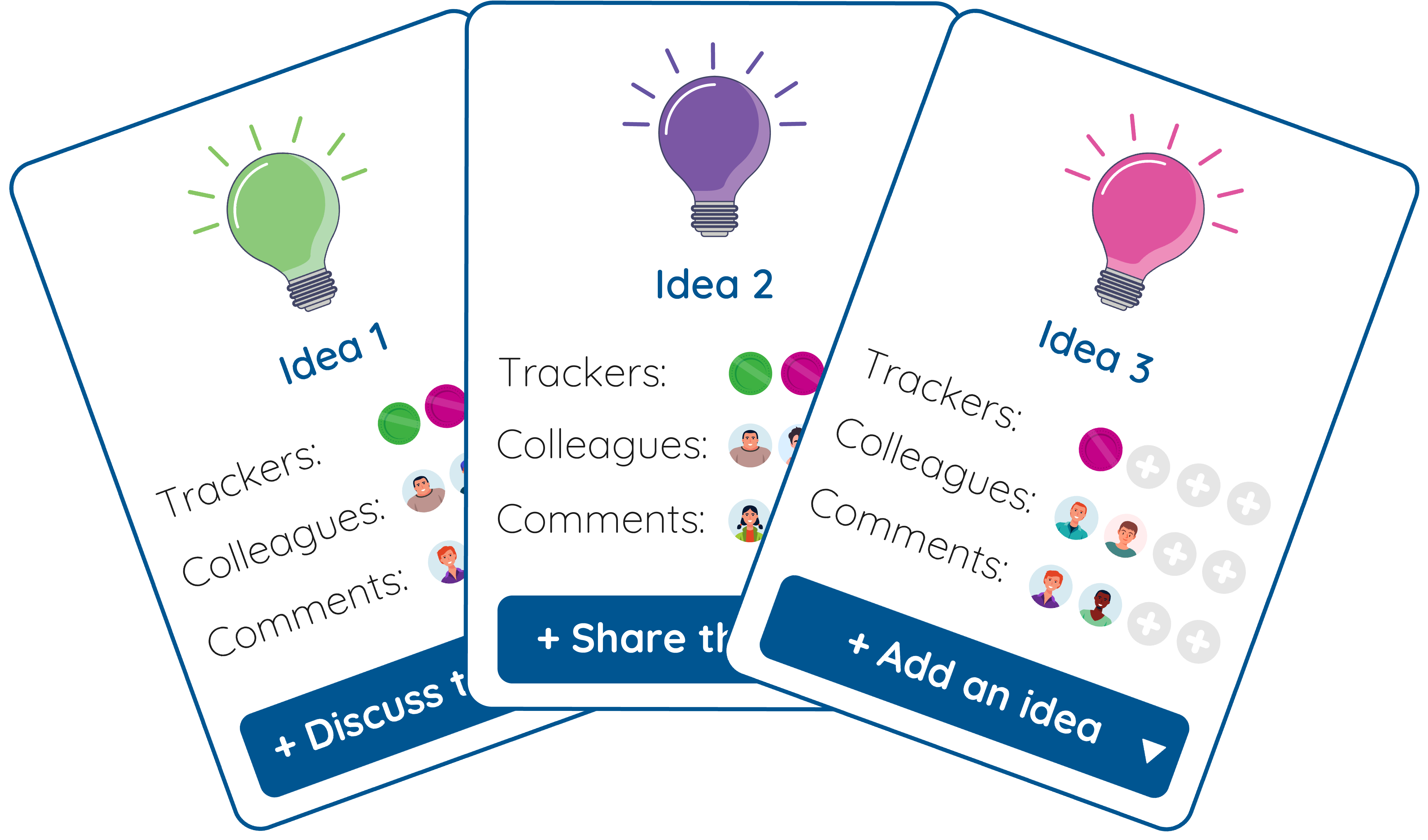
Helpful suggestions, right where you need them
Provide colleagues with timely relevant guidance that's specific to each contact, client or beneficiary they're working with. Ideas are tagged with demographic characteristics and specific outcomes or indicators - which means that your colleagues will only see suggestions that are suitable for the person they're working with.
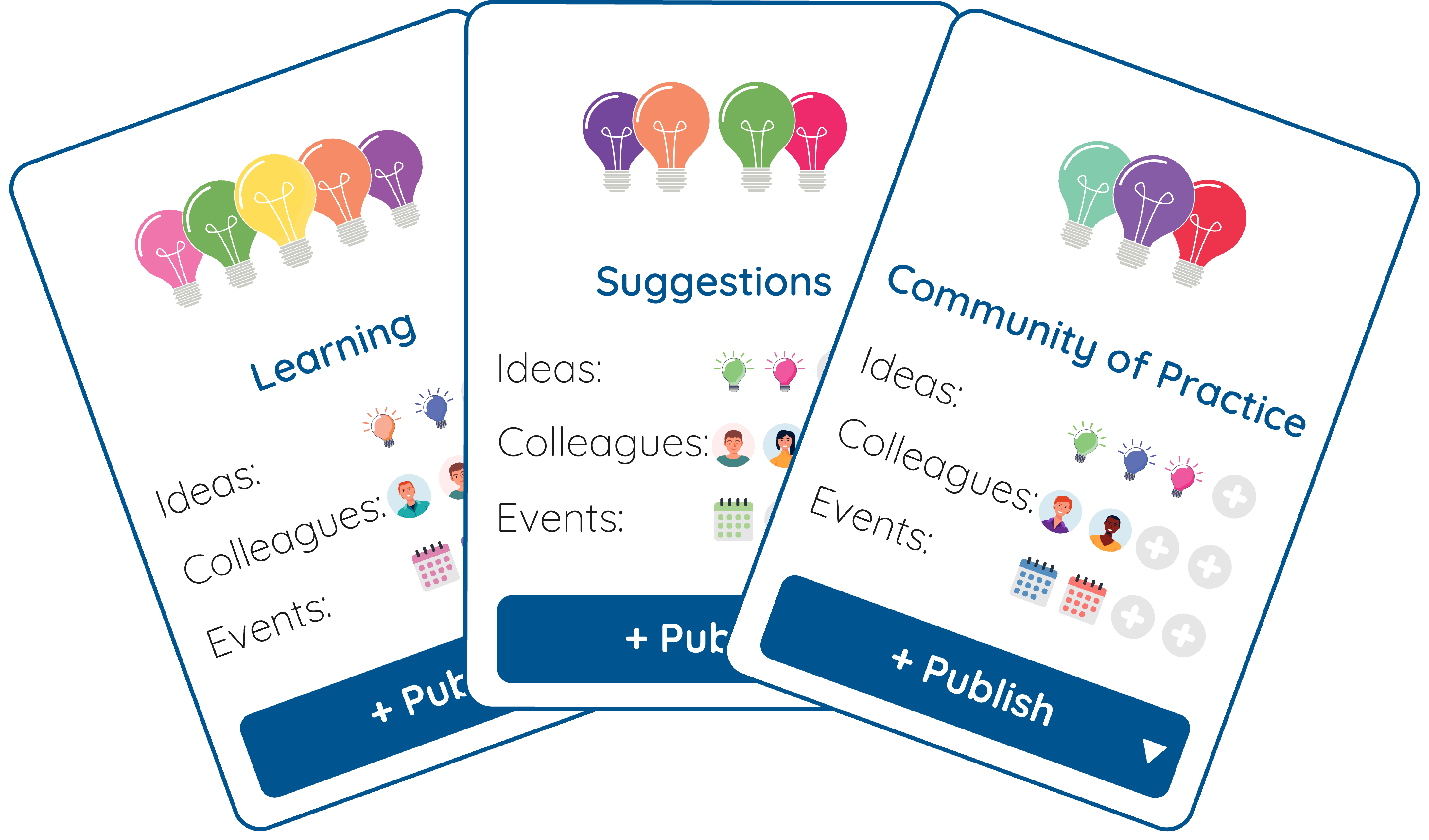
Create your own Best Practice playbooks
Curate ideas into Collections that are themed around particular topics or ways of working. Pick from the public library as well as ideas contributed by your team based on their own expertise or lived experience.
Every impact KPI you need to track. Organised in one place.
Work with our library of metrics or create your own
Metric
 Metric
Substance use changes (Substance Misuse Recovery and Treatment)
 Metric
Health and safety improve (Substance Misuse Recovery and Treatment)
 Metric
Substance use changes are sustained (Substance Misuse Recovery and Treatment)
 Metric
Quality of life improves (Substance Misuse Recovery and Treatment)
 Metric
Recovery capital increases (Substance Misuse Recovery and Treatment)
 Metric
Recovery is sustained (Substance Misuse Recovery and Treatment)
 Metric
The person thrives (Substance Misuse Recovery and Treatment)
Metrics that link your work to your impact
Report results in an instant. Spot gaps quickly and make data-driven decisions based on live information.
Quantify the difference you make
Visualise progress geographically
Calculate Economic Impact
Import results from spreadsheets
Quantify the difference you make
Track impact using stories, surveys, imported spreadsheets or API integrations. Keep everything in one place - numbers, narratives, media and more.
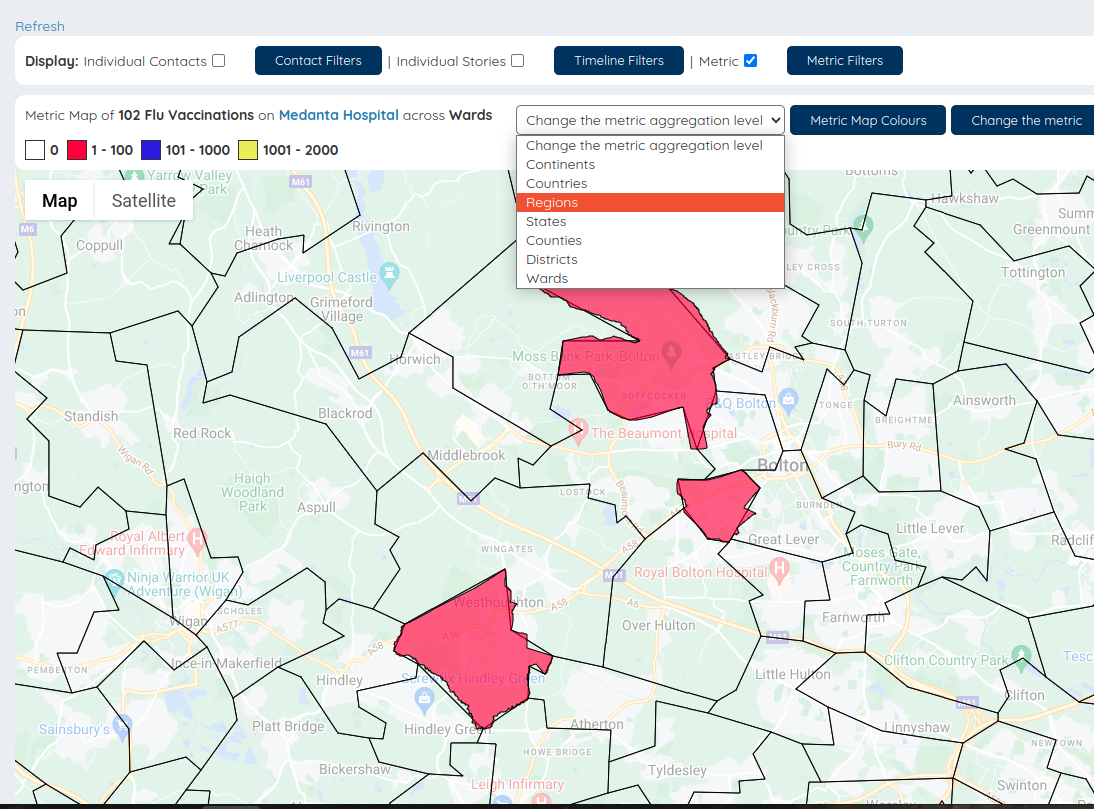
Visualise progress geographically
Plot your impact on a map - from heatmaps showing aggregated change to location pins on individual stories and projects. A powerful way to see gaps, strengths and reach.
Calculate Economic Impact
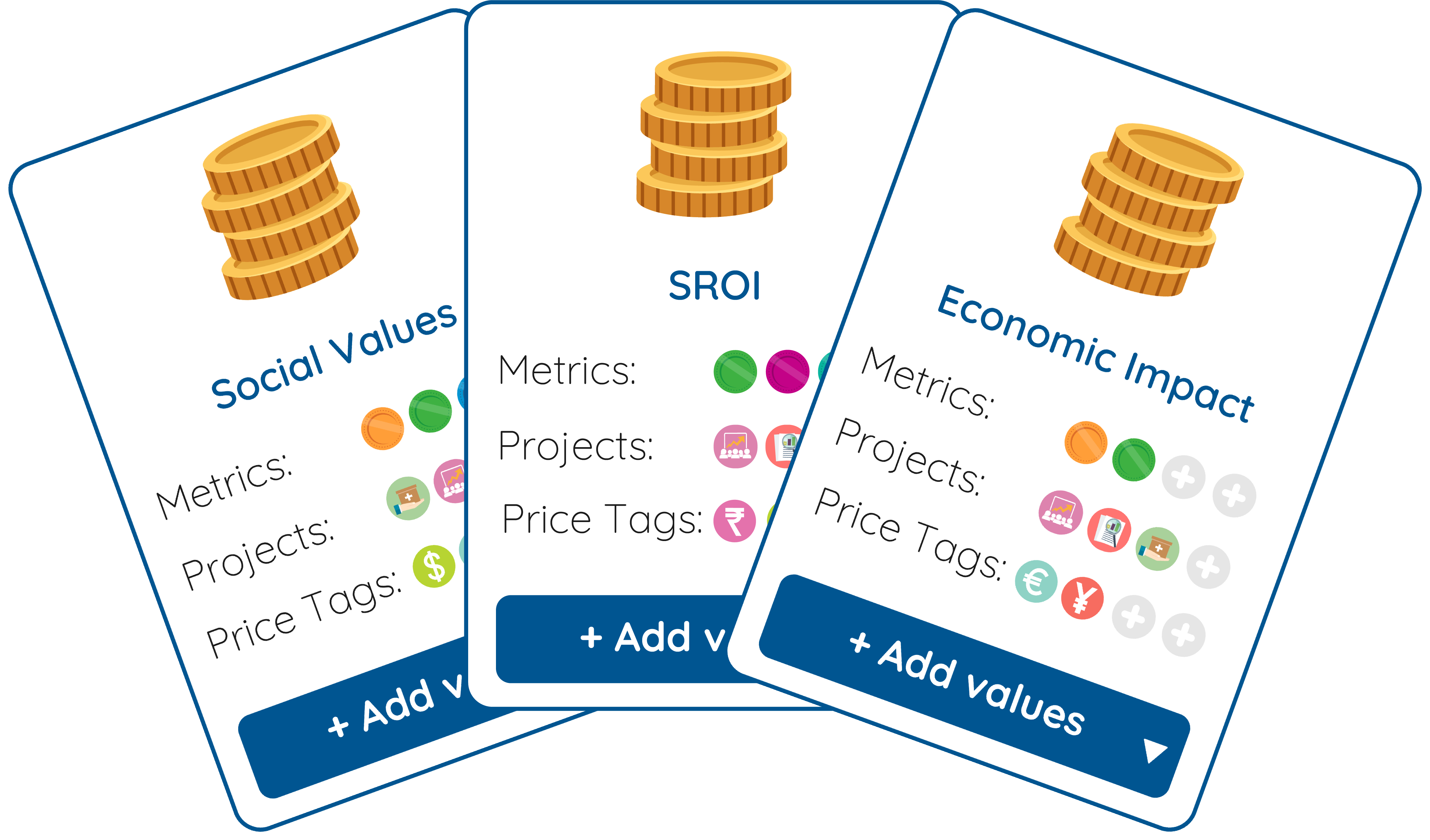
Define your own multipliers, proxies and financial values. Makerble® automatically calculates the Social Value, SROI or Economic Impact of the outcomes you’re delivering based on the numbers you enter. No third-party subscription needed.
Import results from spreadsheets
Record impact stats and stories directly. Pull in results from spreadsheets, forms or other tools. Connect to to other systems for seamless continuity using APIs and integrations.
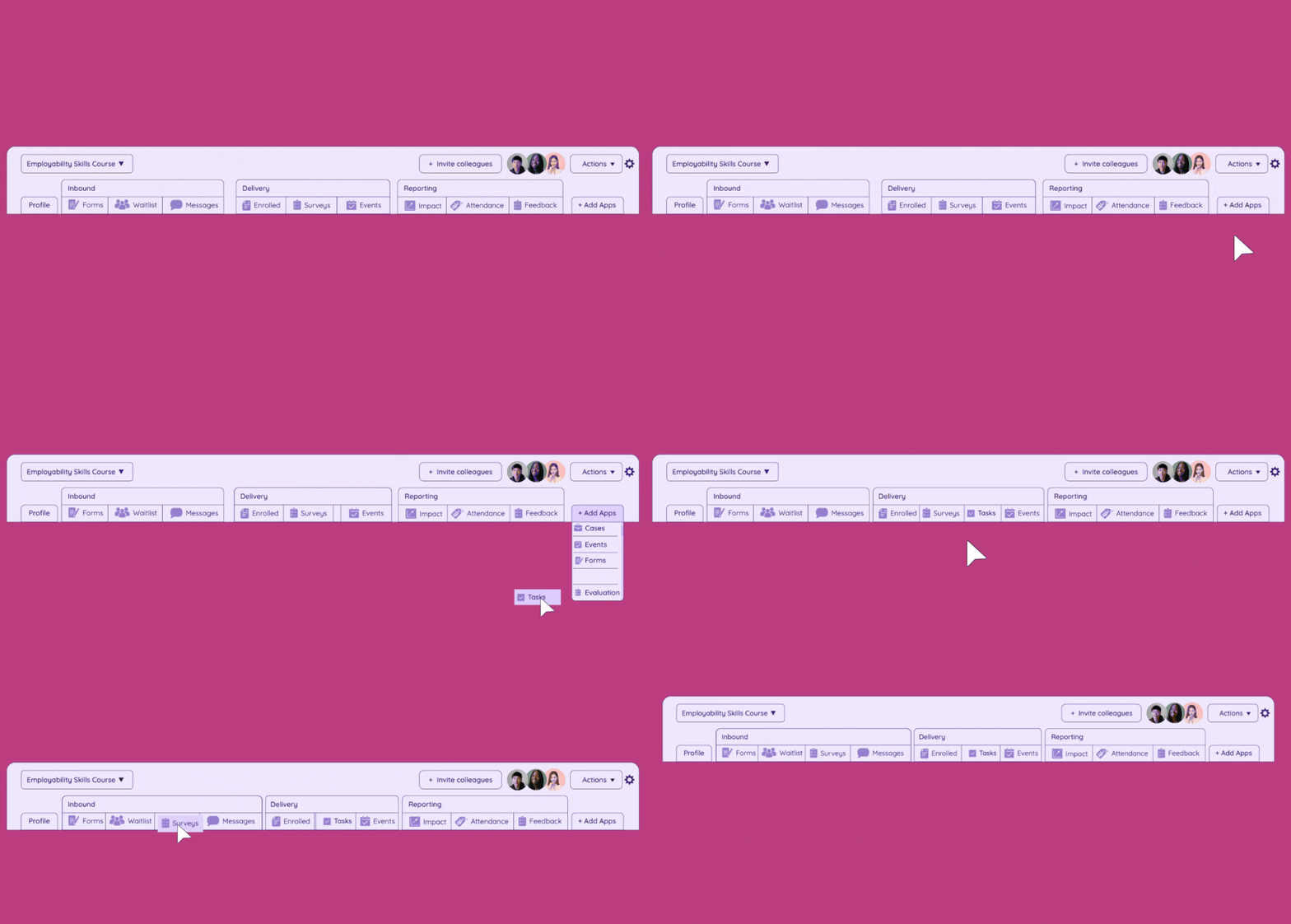
Bring it all together with a Toolbar™
Stay organised with a helpful set of shortcuts that put everything you need just one click away


This collection is paired with the Substance Misuse Recovery and Treatment Toolbar™ but you can swap it for a different toolbar or add, remove and rename its shortcuts.
Structure where you need it. Flexibility where you want it.
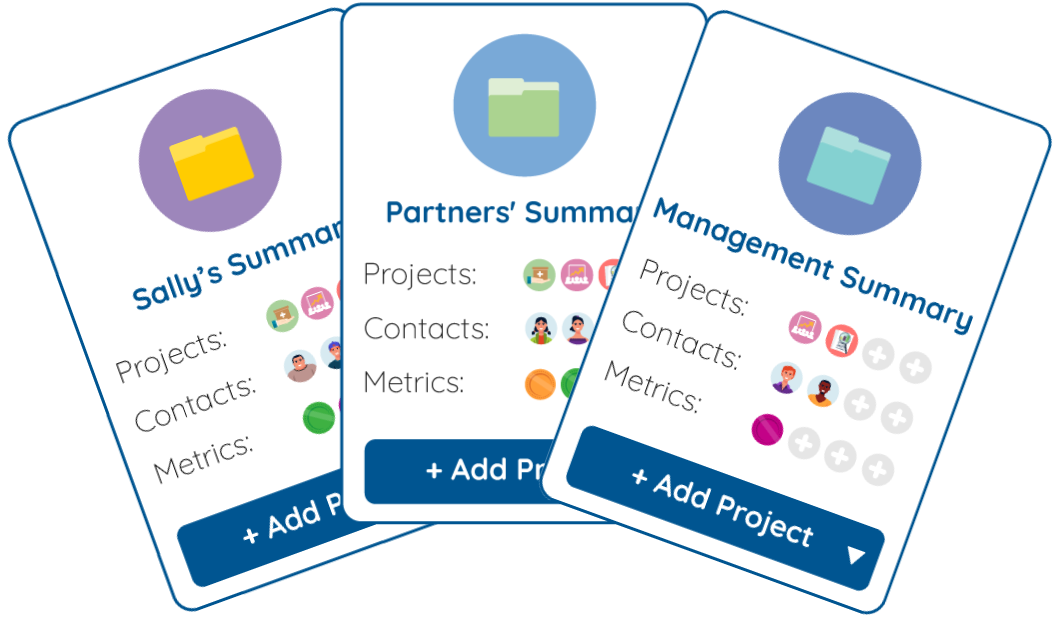
Organise your impact the way you want to. Use Projects to keep things separate, then group results together with an Album.
Projects
Albums
Apps
Designer
Projects
Powerful enough for reporting. Simple enough for day-to-day. Projects are the container for each cohort, service or programme you manage. Each project houses a set of contacts (e.g. people attending the same training course) as well as all the related case notes, survey responses and event records.
Albums
Meet every reporting requirement. Albums combine results from several projects. (And each project can be part of as many albums as necessary.) Now you can summarise and segment your work in every way you need to, whether for a funder, partner, manager or stakeholder.
Apps
Customise your Toolbar™ to suit your needs. Add, move and rename Apps as you see fit. It’s your platform, make it your own.
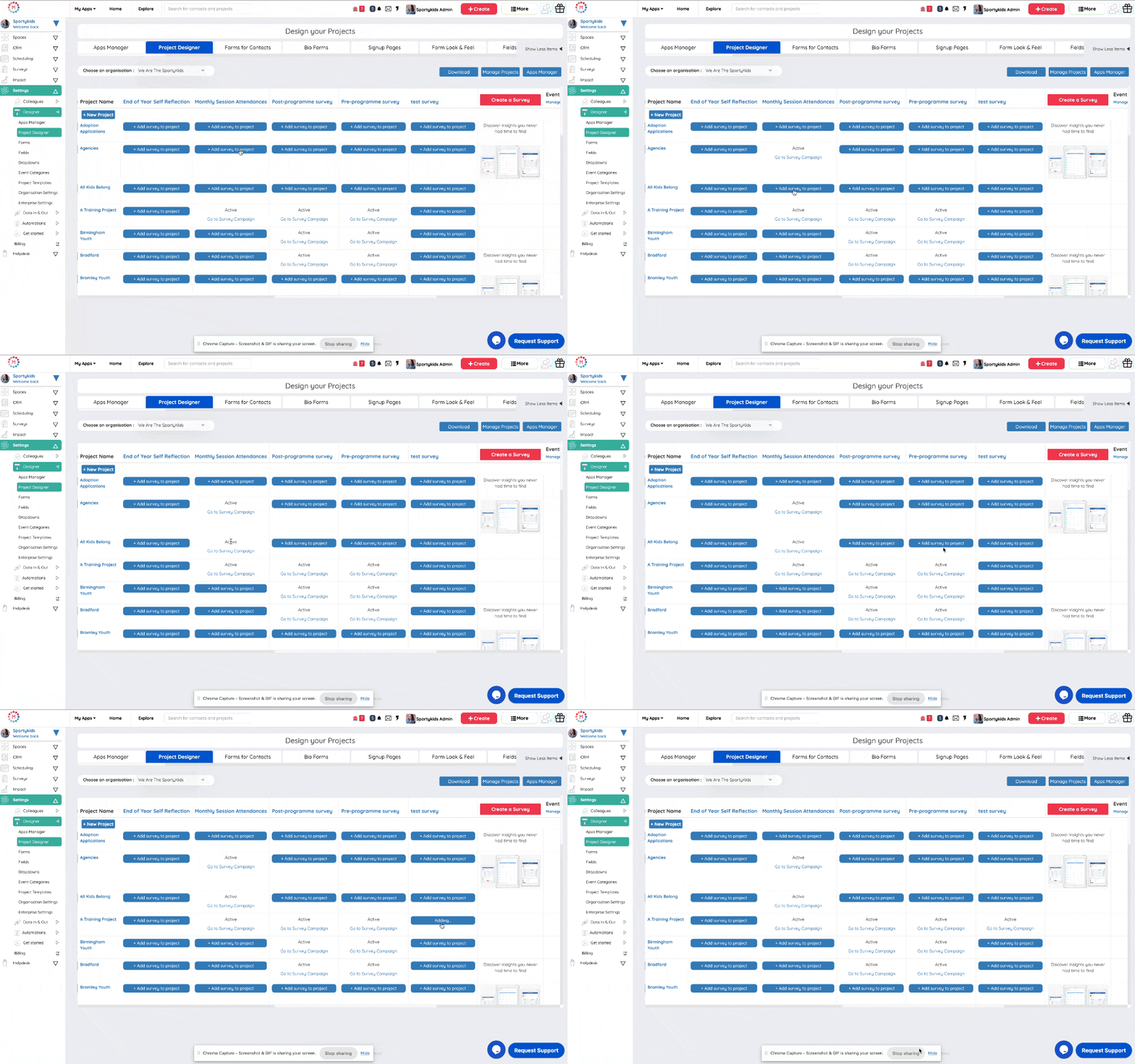
Designer
Customise your system yourself at any time. Create new tools, surveys and forms using easy-to-use editors and assign them to the projects that need them. With Makerble, you're always in control with a platform that's future-proof.
Ready to create lasting impact?
+ Use this free templateFrequently Asked Questions
What does it measure?
Tenancy stability, independent living skills, tenancy knowledge, health and wellbeing, engagement with support, tenancy readiness rated by both resident and staff, move-on destinations and whether tenancies are sustained at 3, 6 and 12 months.
How does it help with funders and commissioners?
Every answer links to an outcome on the Impact Framework, so you can report engagement, reductions in use, overdoses avoided, quality of life improved and the share of people still engaged in recovery support at six and twelve months.
Who is the Substance Misuse Recovery and Treatment toolkit for?
Residential rehabilitation, community drug and alcohol services, detox services, mutual aid and peer support groups, recovery cafés, dual diagnosis services and naloxone programmes.
Does success have to mean abstinence?
No. Recovery is defined by the person. The toolkit records each person's own recovery goal and measures progress towards it, including reduced use, harm reduction and a better quality of life.
How should we record relapse?
As part of the recovery journey, not as failure. The follow-up asks what was learned and what will be different next time, and support continues through relapse.
Unsure where to start or struggling to find a template that meets your needs?
Speak to one of our friendly experts or customise your platform yourself.
Start using Substance Misuse Recovery and Treatment
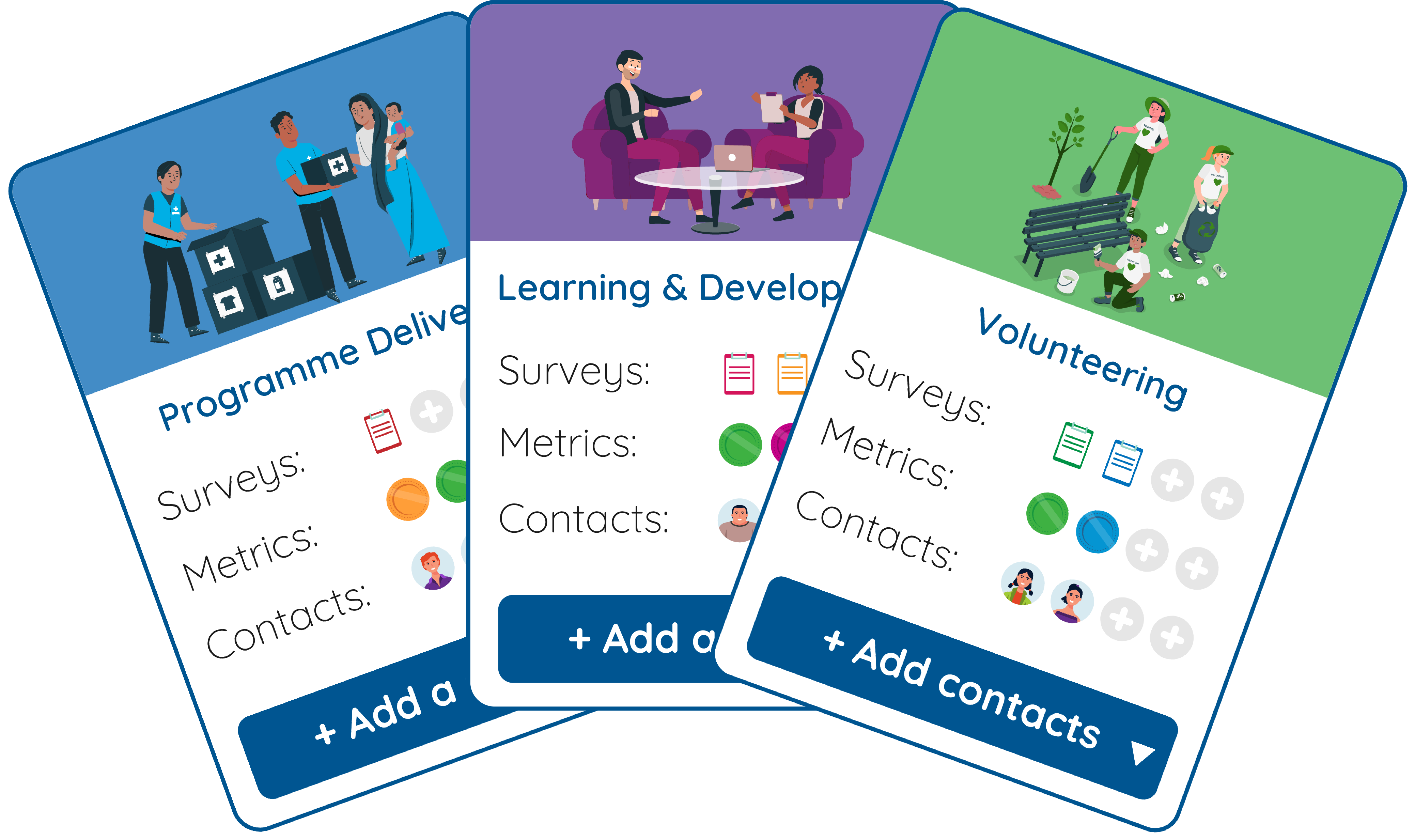
Your projects are the way you connect related information: results, contacts, survey responses, events and more.