 Interval Versions




Choose a Project
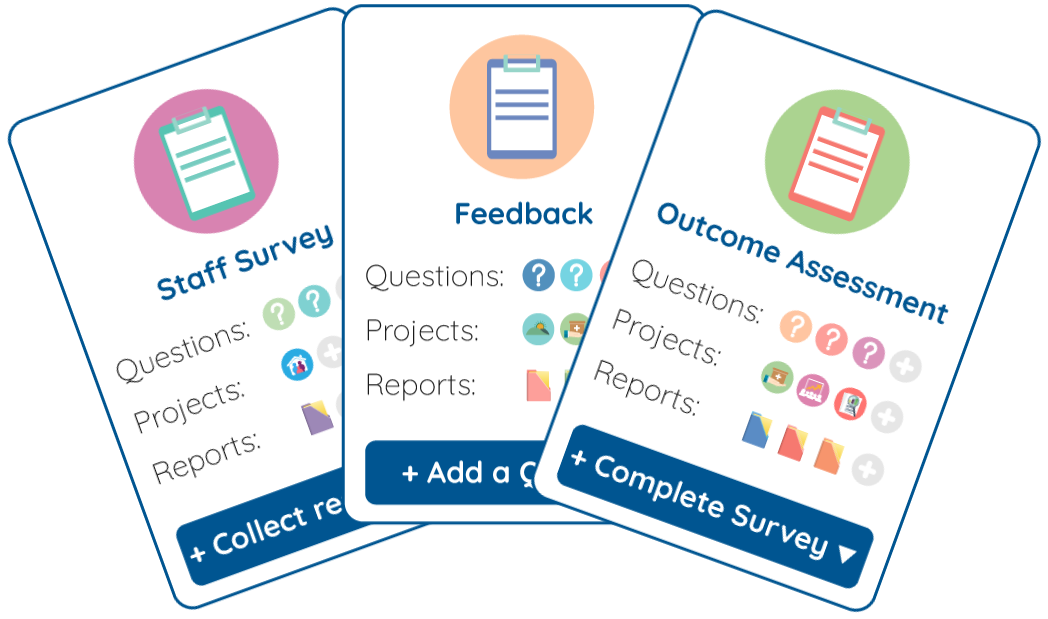
Family Support (Early Intervention): 6-Month Follow-Up is used by 0 projects across your organisations.

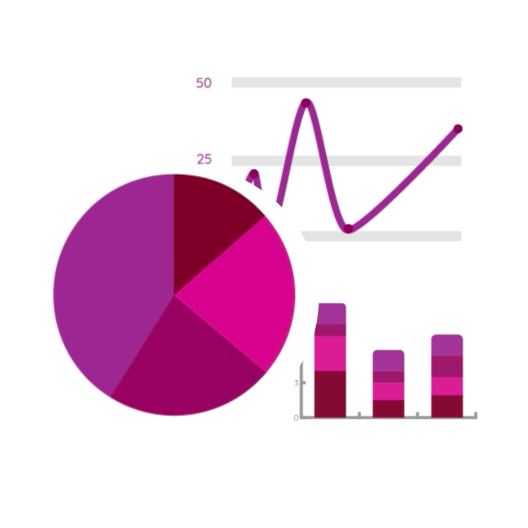
Explore bar charts, pie charts and outcome rings. Download graphs, export raw results and see tabulated responses to each question.
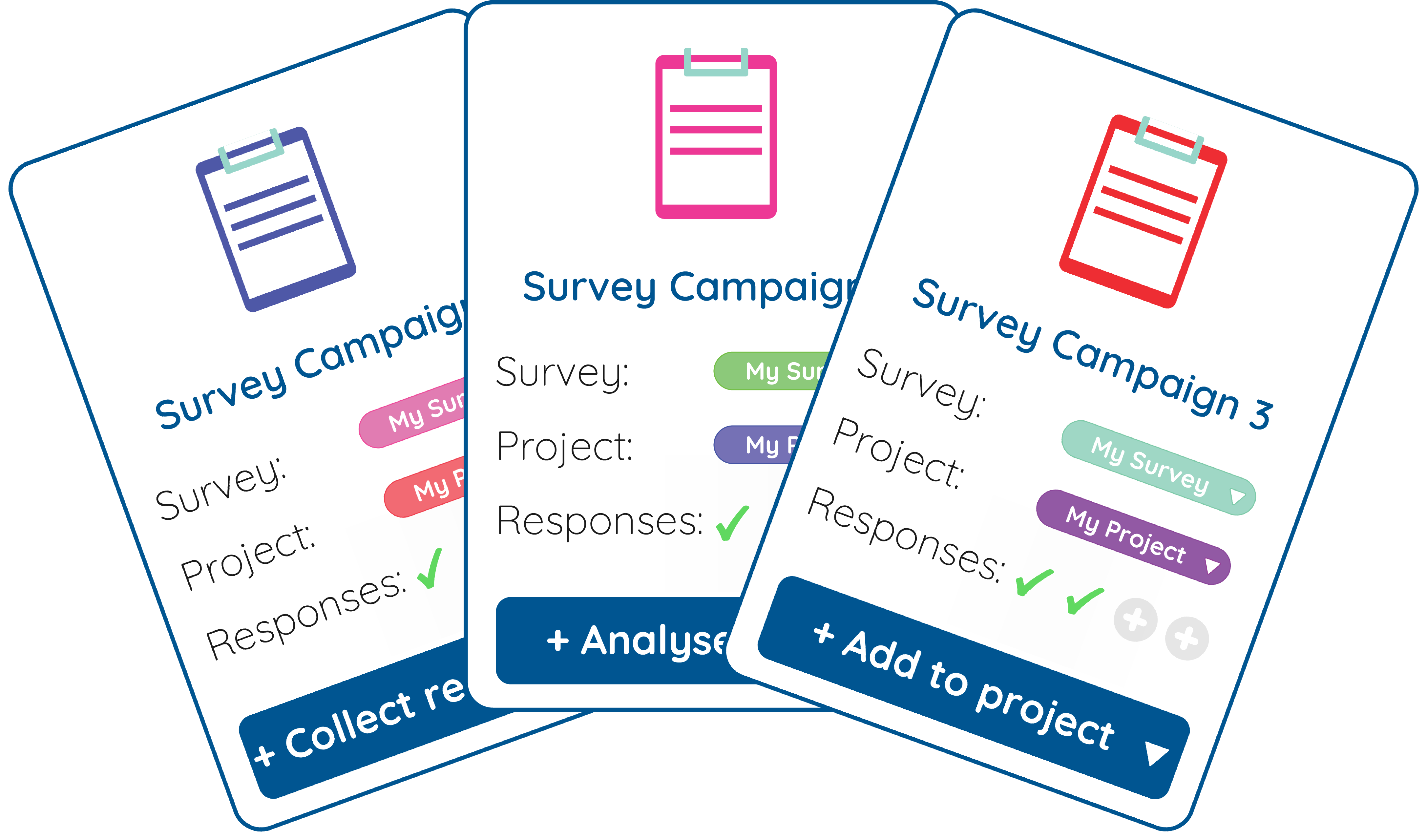
Understand how people’s answers change over time. Browse a table showing a row for each respondent and a column for each question time a question has been answered.
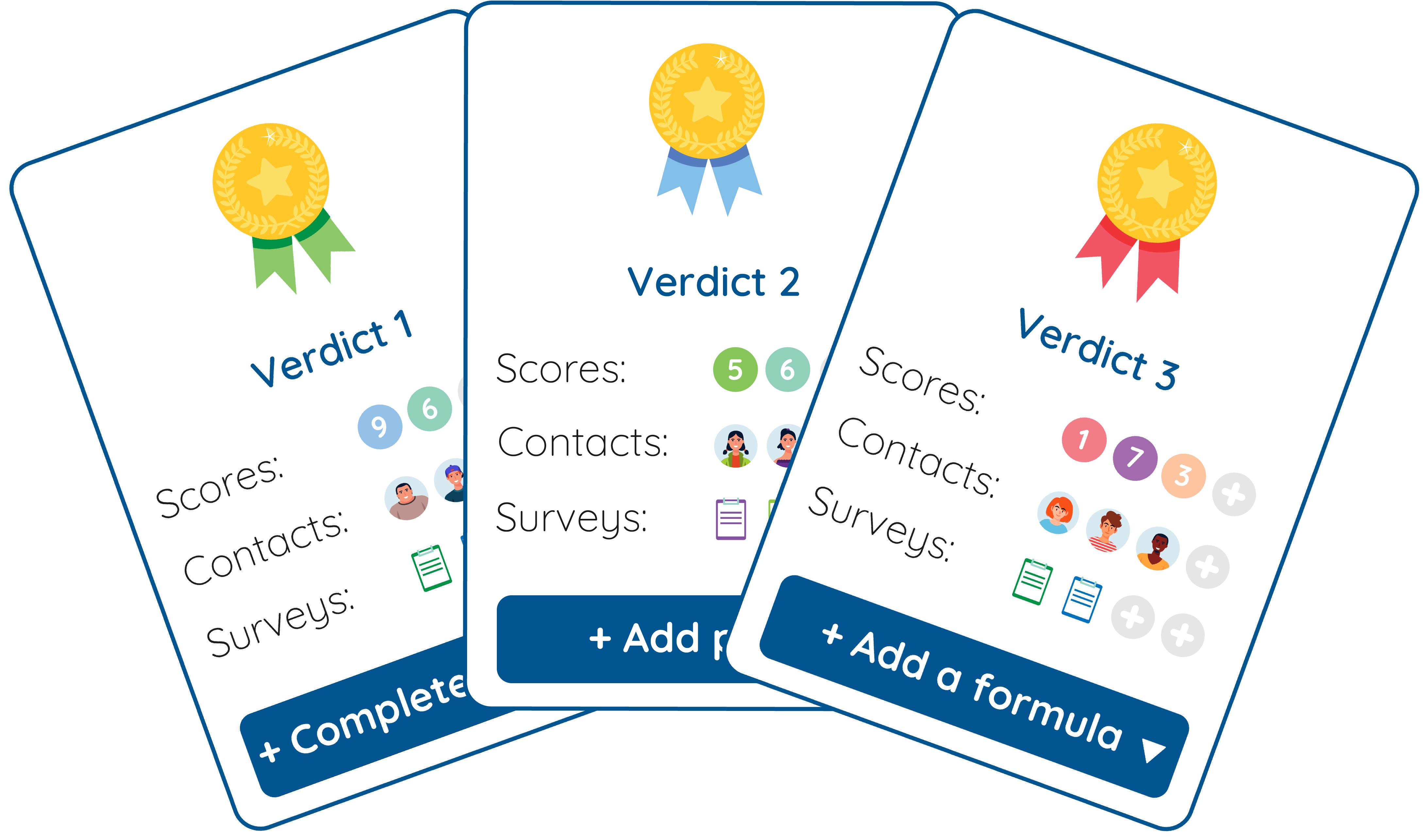
See the scores and verdicts from survey responses over time. See whose improved, worsened or stayed the same and the mean averages.
About
| Uploaded by: | Makerble Templates |
Longer-term family wellbeing, child development and independence six months after closure.
Similar Surveys
-
use this when evaluating (XYSZ c=kidn of project)
-
<div>The Rosenberg Self-Esteem Scale is a 10-item self-report measure of global self-es...
-
<div>This scale measures individual subjective feelings of loneliness and social isolat...
Section – Family Wellbeing
Q1.
Parenting Confidence (single choice)
How confident do you feel in your role as a parent?
| 1, Not at all | 2 | 3 | 4 | 5 | 6 | 7 | 8 | 9 | 10, Completely |
Dropdown List used: Scale - Low to High - 10 options
Q2.
Mental Wellbeing (single choice)
How would you rate your mental health and wellbeing right now?
| 1 | 2 | 3 | 4 | 5 | 6 | 7 | 8 | 9 | 10 |
Dropdown List used: Physical Health
Q3.
Life Satisfaction (single choice)
How satisfied are you with your life overall?
| 1, Not at all | 2 | 3 | 4 | 5 | 6 | 7 | 8 | 9 | 10, Completely |
Dropdown List used: Scale - Low to High - 10 options
Q4.
Still Using Skills Learned (single choice)
Are you still using the skills and strategies you learned during your support?
| Yes regularly | Yes sometimes | Not really |
Dropdown List used: Still Using Skills Learned - 3 options
Q5.
Parenting Goals Achieved (single choice)
Which of the goals you set at the start do you feel you've achieved?
| All | Most | Some | None |
Dropdown List used: Parenting Goals Achieved - 4 options
Section – Child Development
Q6.
Registered with and Attending Early Years Setting (single choice)
Registered with and Attending Early Years Setting
| Yes - regular attendance | Yes - irregular | No |
Dropdown List used: Registered with and Attending Early Years Setting - 3 options
Q7.
Early Learning Goals on Track (single choice)
Early Learning Goals on Track
| 1, Not at all | 2 | 3 | 4 | 5, Completely |
Dropdown List used: Scale - Low to High - 5 options
Q8.
Development Concerns Resolved (single choice)
Have the child development concerns identified at referral been resolved or significantly improved?
| Yes | Partially | No | Not applicable |
Dropdown List used: Development Concerns Resolved - 4 options
Section – Independence
Q9.
No Longer Needs Intensive Support (single choice)
Do you feel able to manage as a family without intensive professional support?
| Yes | Sometimes | Not yet |
Dropdown List used: No Longer Needs Intensive Support - 3 options
Q10.
No Re-referral to Children's Social Care (single choice)
Has the family been re-referred to statutory children's social care within 6 months of closure?
| Yes | No |
Dropdown List used: Yes / No - 2 options
Section – Reflection
Q11.
What has helped you most since support ended? (Text)
This question will appear once within your story or survey response.
Q12.
Is there anything else you'd like to tell us? (Text)
This question will appear once within your story or survey response.
Collect survey responses

360°
 360°

Universal
 Universal

Tracked
 Tracked

Anonymised
Anonymised

Import
 Import

API
 API

Filled in by a Colleague: 1 contact at a time
Filled in by a Colleague: 1 contact at a time

Filled in by a Colleague: Several at once
 Filled in by a Colleague: Several at once

Filled in by a Colleague: Manual Headcount
 Filled in by a Colleague: Manual Headcount

Universal Manual Headcount
 Universal Manual Headcount

Multi-stage
 Multi-stage

Branded Portal
 Branded Portal

Automation
 Automation

360° Assessment
360° Assessment